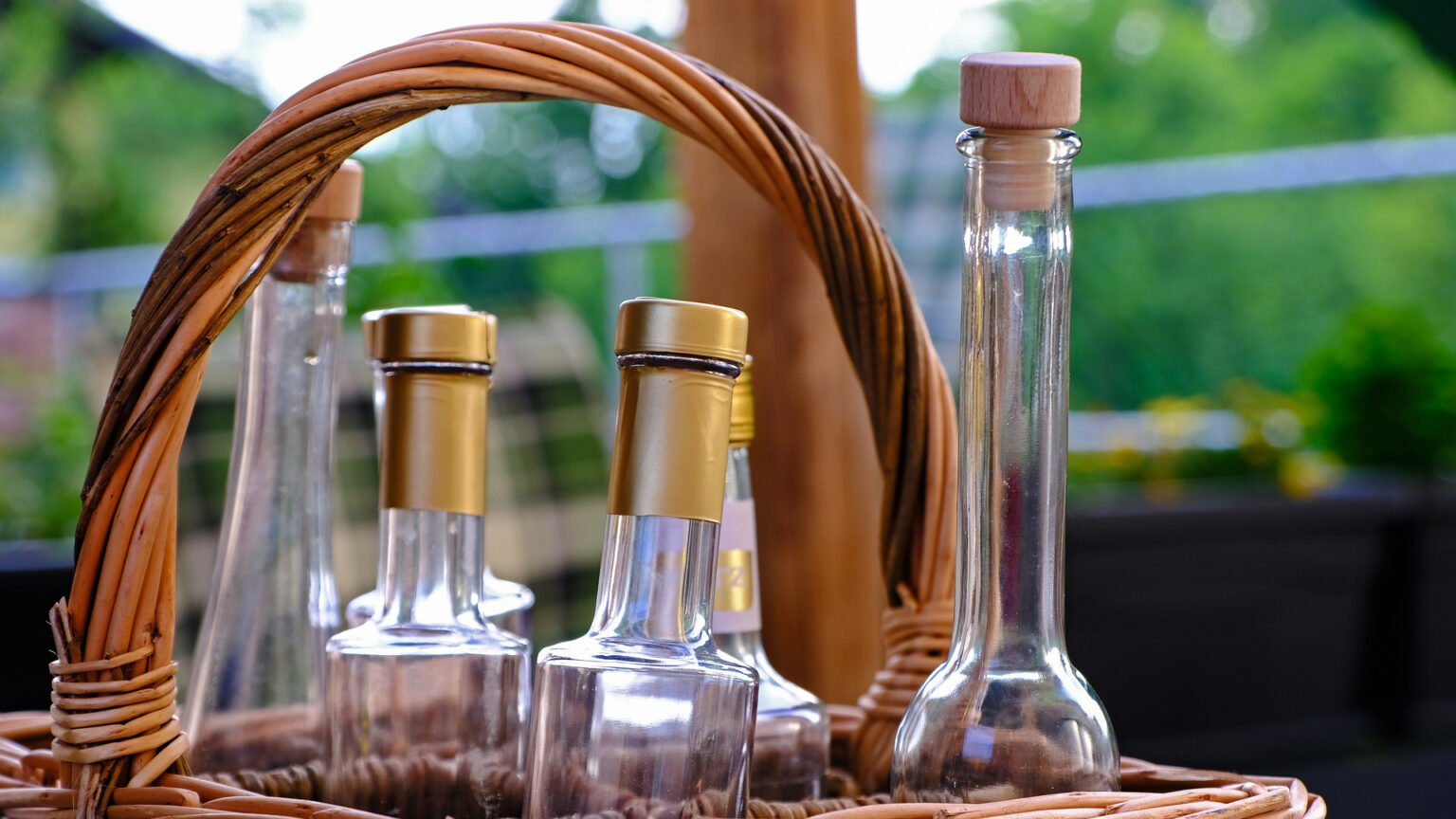
Sealed bottled water stored in glass can last for several years. While it does not technically expire, most producers recommend consuming it within 2 years for best taste and quality. Proper storage in a cool, dark place helps preserve freshness and protect the seal.
If you’re searching for how long bottled water lasts, especially in glass bottles, the answer depends on storage conditions. Glass offers excellent protection compared to plastic, but temperature, light and positioning still matter.
How Long Does Water Last in Glass Bottles?
Water stored in sealed glass bottles can remain fresh for a long time because glass is non‑porous and does not leach chemicals. Unlike plastic, it forms a strong barrier against oxygen and moisture.
Under proper conditions:
Sealed glass bottled water: Up to 2 years recommended for best quality
Unopened and stored ideally: Can remain safe beyond that
Opened bottles: Best consumed within a few days
While water itself does not “expire”, taste can subtly change over time. The seal may also weaken after long storage.
For optimal flavour and clarity, consuming within 24 months of bottling is advised.
Why Proper Storage Matters for Glass Bottled Water
Improper storage does not usually make water unsafe immediately, but it can reduce quality.
| Factor | Impact on Water Quality | Storage Tip |
|---|---|---|
| Temperature |
|
|
| Light (UV rays) |
|
|
| Environmental odours |
|
|
Poor storage may lead to:
- Flavour changes
- Seal degradation
- Increased exposure to air
- Potential microbial growth if compromised
Glass protects the water well, but it cannot prevent issues caused by heat, UV exposure or contamination after opening.
Ideal Temperature for Storing Bottled Water
Temperature is one of the most important factors affecting bottled water freshness. The recommended storage range is 10°C to 15°C in a cool, stable environment.
Avoid storing near radiators, boilers, garages with temperature swings and in close proximity to ovens or other appliances.
High temperatures can alter flavour and stress the bottle seal. Freezing temperatures can cause water expansion and potentially crack glass.
Consistency is more important than absolute temperature. Large fluctuations weaken seals over time.
Does Sunlight Affect Bottled Water?
Yes. Even though glass offers better protection than plastic, prolonged exposure to sunlight can still affect water quality.
UV exposure may:
- Alter flavour
- Increase temperature
- Affect long-term freshness
Store bottled water in:
- A cupboard
- A pantry
- A shaded storage room
Keeping bottles away from direct sunlight helps preserve their original taste and clarity.
Shelf Life of Glass Bottled Water vs Plastic
Glass has a significant advantage over plastic for long-term storage.
Glass bottles:
- Non-porous
- No chemical leaching
- Strong oxygen barrier
- Better long-term flavour preservation
Plastic bottles:
- More vulnerable to heat
- Potential chemical migration over time
- Greater impact from UV exposure
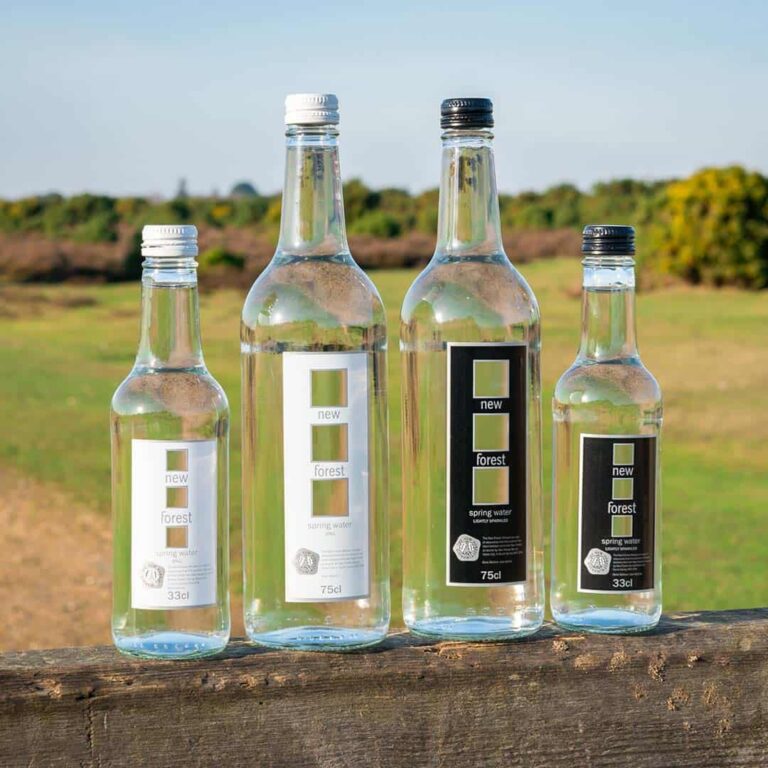
This is one reason premium spring water is often supplied in glass for home and office delivery.
Long-Term Storage Best Practice
If you are storing bottled water for months or years, follow these steps:
- Keep bottles upright
- Store in a dark location
- Maintain stable temperature
- Avoid strong-smelling chemicals nearby
- Rotate stock regularly
Even properly stored water can slowly absorb subtle environmental influences over time.
Check bottling dates and aim to consume within 2 years for peak quality.

Common Mistakes in Glass Bottled Water Storage
Common Improper Storage Mistakes
| Mistake | Impact on Water Quality |
|---|---|
| Storing near strong-smelling chemicals or substances | Odours can penetrate the bottle’s seal and alter taste |
| Exposing bottles to temperature fluctuations or heat sources | Weakens the glass, compromises the seal, and reduces water quality |
| Incorrect bottle positioning (stacking or laying on the side) | Seal integrity is compromised, increasing risk of leaks, spills, or contamination |
Avoiding these mistakes keeps your water at its best.
Does Bottled Water Expire?
Water itself does not expire in the way food does. However:
- Bottles carry best-before dates
- Seals can degrade over time
- Taste may gradually change
Manufacturers include a recommended consumption window for quality assurance. For glass bottled water, that window is typically 24 months from bottling.
Storing Glass Bottled Water with Confidence
Sealed glass bottled water can last several years, but for best taste and freshness it should be consumed within 2 years and stored in a cool, dark, stable environment.
By managing temperature, light exposure and bottle positioning, you preserve the crisp, clean quality that makes glass bottled water a premium choice.