When it comes to bottled water, the choice of material (glass or plastic) plays a significant role in its environmental impact. Plastic bottles have long dominated the market, but growing awareness of sustainability issues has led many consumers and businesses to reconsider their options. Although less common, glass bottled water offers several advantages for those looking to minimise their environmental footprint.
The Environmental Footprint of Plastic Water Bottles
Plastic water bottles, though lightweight and convenient, carry a heavy environmental cost. Their production relies on fossil fuels, particularly petroleum, which emits significant amounts of carbon dioxide into the atmosphere. For every tonne of plastic produced, approximately 2.5 tonnes of CO₂ are released, making plastic manufacturing a major contributor to global greenhouse gas emissions.
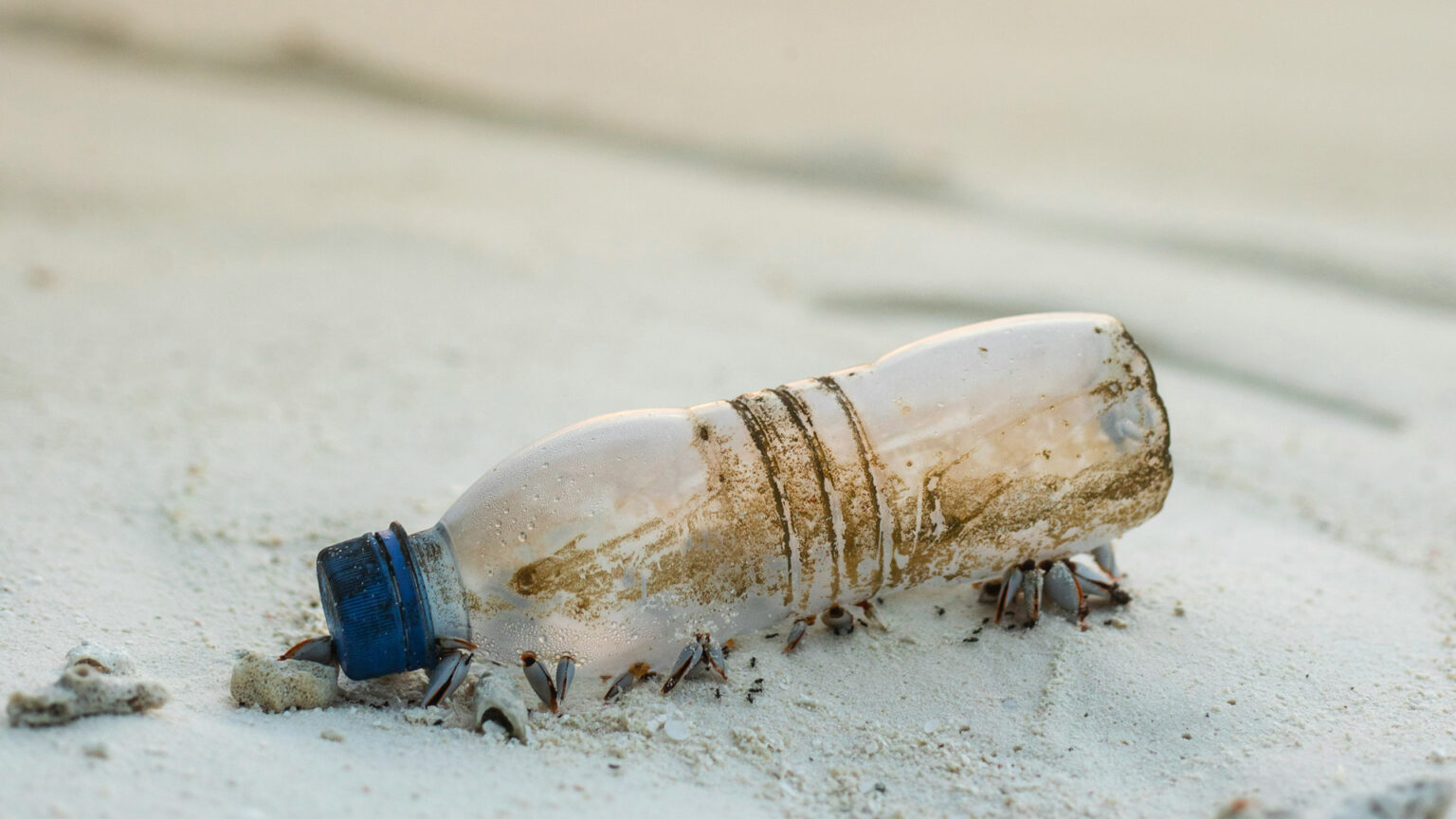
The waste created by plastic bottles is equally alarming. A single plastic bottle can take up to 450 years to decompose in a landfill. In the meantime, millions of tonnes of plastic waste pollute the world’s oceans, endangering marine life and entering the food chain through microplastics. Studies estimate that one million plastic bottles are purchased every minute globally, yet only around 9% of plastic waste ever produced has been recycled.
Even recycled plastic presents challenges. The process of downcycling, where plastic is converted into lower-quality products, limits its reuse and often delays its eventual disposal rather than preventing it.

The Benefits and Challenges of Glass Bottled Water
Glass bottled water presents a more sustainable alternative, offering several environmental benefits. One of the key advantages is that glass is 100% recyclable and can be recycled endlessly without any loss of quality. This makes it a closed-loop material that doesn’t degrade over time, unlike plastic. Additionally, glass bottles can be reused multiple times before recycling, significantly reducing waste compared to single-use plastics.
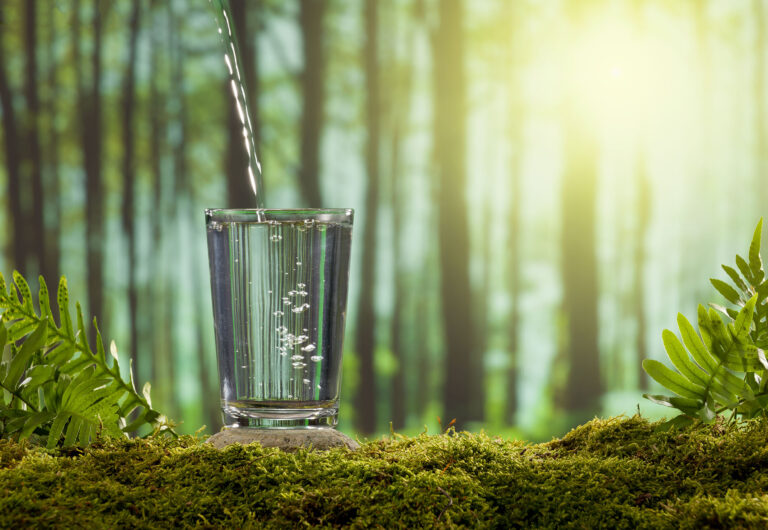
Another benefit of glass is its chemical stability. Unlike plastic, glass does not leach harmful substances into the water it contains, ensuring the taste and quality of the water remain uncompromised. This makes it an ideal choice for consumers who value both sustainability and their health.
However, glass isn’t without its challenges. It is significantly heavier than plastic, which can result in higher transport emissions. Additionally, the production of glass is energy-intensive, as it requires high temperatures to melt raw materials like sand and silica. Despite these challenges, advancements in manufacturing, such as the use of recycled glass, are helping to offset the environmental impact of glass production. Many eco-conscious brands are turning to recycled glass to create bottles, reducing the demand for single-use materials and cutting energy consumption.
Glass vs. Plastic: The Environmental Comparison
Carbon Footprint
The production of plastic bottles emits lower carbon emissions than glass in the short term due to the energy-intensive process of glassmaking. However, when factoring in their lifecycle and how long bottled water lasts, glass has a clear advantage. Its durability, reusability, and recyclability mean that fewer resources are required over time to produce and manage waste.
Waste Management
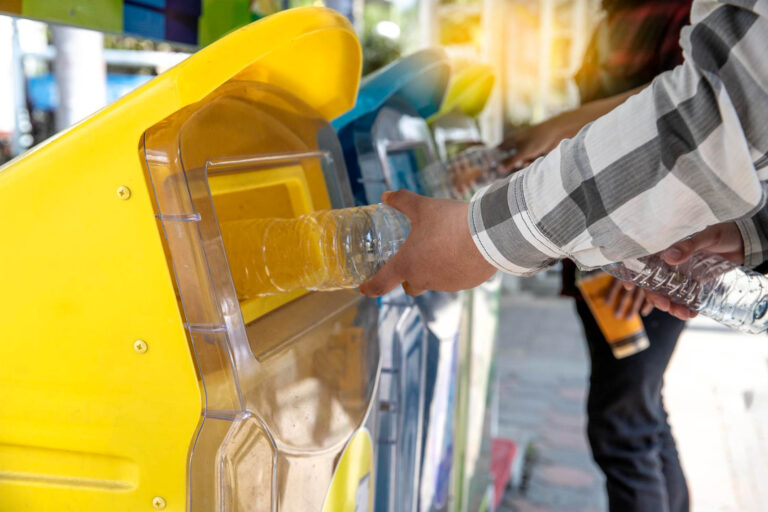
Plastic waste is a growing global issue. Despite recycling efforts, the majority of plastic bottles end up in landfills or the ocean, contributing to long-term pollution. Glass, on the other hand, is fully recyclable and can be repurposed indefinitely. Reusing glass bottles before recycling further reduces the waste generated.
Impact on Ecosystems
Plastic pollution poses a severe threat to wildlife, particularly marine life. Birds, fish, and other animals often mistake plastic for food, leading to ingestion and injury. Glass, although heavier and prone to breakage, does not fragment into microplastics or release toxins into ecosystems. This makes it a far less harmful material for the environment.
Decomposition
Plastic bottles can take centuries to decompose, releasing harmful chemicals and microplastics throughout the process. In contrast, glass is inert and does not release pollutants as it breaks down. While broken glass can pose physical hazards, it does not have long-term environmental consequences as plastic does.
Glass emerges as a much more sustainable choice, particularly for consumers and businesses seeking long-term solutions to negative environmental impacts.

Why New Forest Water Supports Glass Bottles
At New Forest Water, we are committed to sustainability and reducing our environmental impact. That’s why we offer premium water bottled in glass. Our glass bottles are not only elegant and durable but also 100% recyclable, ensuring that they align with our eco-friendly mission.
Our production processes prioritise sustainability, using locally sourced materials to minimise transport emissions and reduce our carbon footprint. By choosing glass bottles, we aim to provide our customers with a product that not only delivers exceptional quality but also supports a cleaner, greener outlook.
The choice between glass and plastic water bottles is about much more than convenience; it’s a decision that affects the wellbeing of the planet. Plastic bottles, with their reliance on fossil fuels, long decomposition times, and pollution of ecosystems, are a significant environmental challenge. In contrast, glass bottled water offers a sustainable alternative with benefits such as full recyclability, reusability, and minimal ecological impact.
Make the switch today and experience the difference. Explore our range of glass bottled water here.