Spring water is widely viewed as a clean and natural choice, and in the UK it is regulated as a type of drinking water. For most healthy adults, the answer to the question is spring water safe is yes, provided it comes from a recognised and properly managed source. Daily spring water intake is safe when the water complies with spring water UK regulations. However, safety still depends on bottling standards, storage and how well consumers understand both the benefits and potential spring water health risks.
How Spring Water Reaches Your Glass
Spring water follows strict rules before it reaches the shelf and your home. Understanding those rules explains why bottled spring water safety and daily use vary depending on the brand.
How Spring Water Is Defined In UK Law
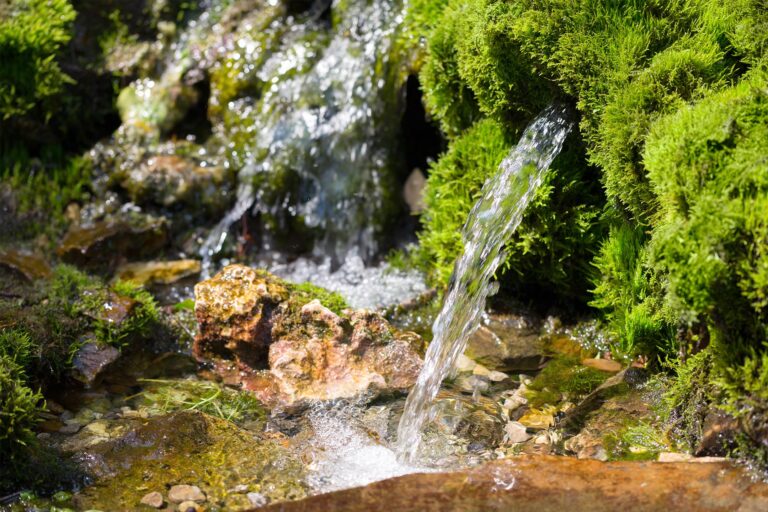
In the UK, spring water must come from an underground source that is naturally protected from pollution. It must be free from disease causing bacteria and parasites at the point of abstraction and must remain microbiologically safe throughout bottling. Producers must bottle the water at the spring or borehole, hold an abstraction licence and register with local authorities. These controls sit at the core of spring water UK regulations and ensure that each batch meets recognised drinking water safety standards.
Bottled Spring Water And Drinking Water Standards
Bottled spring water must meet chemical and microbiological limits in line with drinking water rules at the point of consumption. Producers must demonstrate that the water remains safe in sealed containers and must follow strict hygiene and labelling requirements. Labels must be accurate and clear, with no misleading health claims. The bottling process must also maintain the integrity of the water until the moment it is opened.
Natural Mineral Water Compared With Spring Water
Natural mineral water shares similarities with spring water, since both must come from protected underground sources. However, natural mineral water needs a stable mineral composition confirmed over time, meaning it cannot undergo treatments that alter its natural balance. Spring water may have limited treatments to remove unwanted substances which makes it slightly more flexible while still maintaining its natural qualities.
Daily Health Impact Of Drinking Spring Water
This section looks at hydration, mineral content and the potential health implications of choosing to drink spring water every day.
Spring water and tap water hydrate the body in exactly the same way. For most people the important factor is achieving steady fluid intake across the day rather than the specific type of safe drinking water used, as long as it complies with UK and EU safety rules. Daily hydration supports digestion, concentration, energy and temperature control. Spring water fits into this pattern as a regulated drinking water source.
Natural minerals such as calcium, magnesium and bicarbonates are often found in spring water. These support bone, muscle and nerve function as part of a balanced diet. However, most mineral intake comes from food rather than water, so the role of minerals in spring water should be seen as supportive rather than essential. Some people appreciate the taste and subtle benefits of this natural mineral profile.
UK tap water often contains natural or added fluoride to help strengthen teeth. Since fluoride in spring water is typically very low or absent, people who replace all their drinking water with spring water may reduce their fluoride intake which can particularly affect children. People concerned about this should seek advice from a dentist.
Risks And Limits Of Daily Spring Water Use
Spring water is safe when regulated, yet some risks remain when the water is poorly sourced or stored.
Unregulated or private springs can contain harmful bacteria, nitrates or agricultural chemicals. These are not safe to drink daily or even occasionally. Only spring water that undergoes proper testing and meets UK regulations should be used as a daily drinking water source.
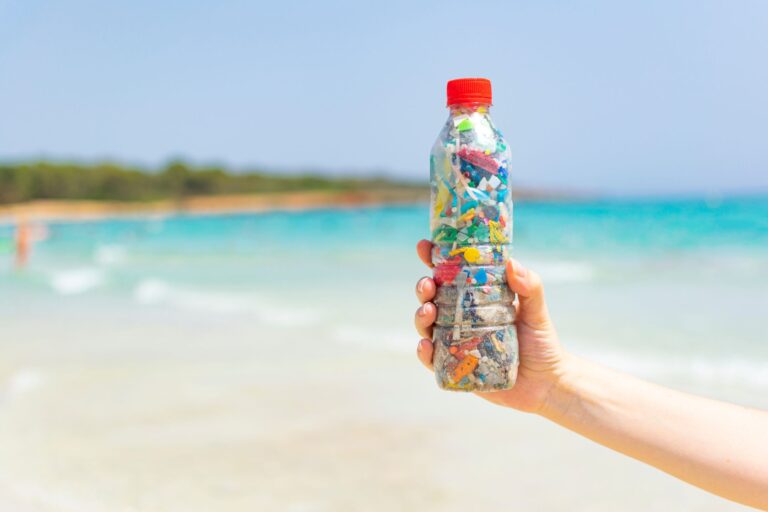
Spring water quality depends on how bottles are stored. High temperatures and direct sunlight can affect the taste and the stability of the bottle. Heat can increase chemical migration from plastic containers into the water. Concerns have also grown around microplastics in bottled water which may appear in varying quantities depending on packaging and bottling methods.
Who Needs Extra Caution With Spring Water
Certain groups need additional guidance. Babies, people with kidney disease, those following low sodium diets and individuals with weakened immune systems may require advice on mineral levels, sodium content and microbiological safety. These groups should consult a healthcare professional before choosing spring water as their main daily drink.
Comparing Spring Water With Tap Water
Daily spring water intake is often compared with tap water so understanding the differences helps people make informed decisions.
Safety And Monitoring
Tap water in the UK is tested many times throughout the treatment and distribution network, while spring water is tested at its source and during bottling. Both must meet strict safety limits for chemicals and microbiological risks. Tap water benefits from constant monitoring along the supply system while bottled water safety depends on accurate batch controls and sealed packaging that protects the water until consumed.
Taste, Minerals And Daily Comfort
Some people prefer the taste of spring water because it does not contain chlorine and often has a smoother flavour due to its natural minerals. Others improve tap water taste using basic jug filters or by chilling it in the fridge.
Cost Per Litre And Practical Use
Drinking only spring water every day can become expensive compared with the very low cost of mains water. Practicality also matters since bottled water must be purchased, carried and stored.
Environmental Impact Of Daily Spring Water Use
Spring water carries environmental impacts that are not always obvious. Beyond the water itself, bottling, transport and packaging all contribute to its carbon footprint.
Plastic bottles contribute to waste and recycling streams, and transporting spring water requires fuel which adds to carbon emissions. Tap water uses existing infrastructure so energy inputs and packaging demands are dramatically lower.
If someone chooses spring water regularly they can reduce their impact by selecting larger bottles, opting for glass where available and recycling all packaging. Reusable bottles and simple home filtration can help reduce plastic waste.
Practical Guidance For Drinking Spring Water Every Day
People who enjoy daily spring water intake can follow simple steps to stay safe and well informed.
How To Read A Spring Water Label
Labels should clearly state the source, bottling location, mineral composition and use by date. They should also list contact information for the producer and confirm compliance with UK or EU drinking water regulations.
Store bottles in cool, dark areas and keep them sealed until use. Avoid leaving bottles in warm environments such as cars. Finish opened bottles within a reasonable time to maintain freshness. Single use plastic bottles should not be reused repeatedly due to hygiene and structural concerns.
People with long term health conditions or specific dietary requirements, as well as parents of babies or carers for older adults, should seek guidance before switching entirely to spring water. Health professionals can advise on minerals, fluoride and ideal fluid intake for individual needs.
Daily Spring Water Safety
Spring water from regulated and recognised UK sources is safe to drink every day for most healthy adults. Tap water is also safe, inexpensive and tightly regulated so the best option often depends on taste, cost and environmental priorities. People can make confident decisions by asking three key questions. First, is the spring water brand legally recognised and regularly tested? Second, does the person have any health needs that influence water choice? Third, does the long term financial and environmental impact align with their values? Many people find that a balanced mix of safe tap water and carefully chosen spring water offers the most practical and low effort solution for daily hydration.