Why Are Microplastics Turning Up in Bottled Water?
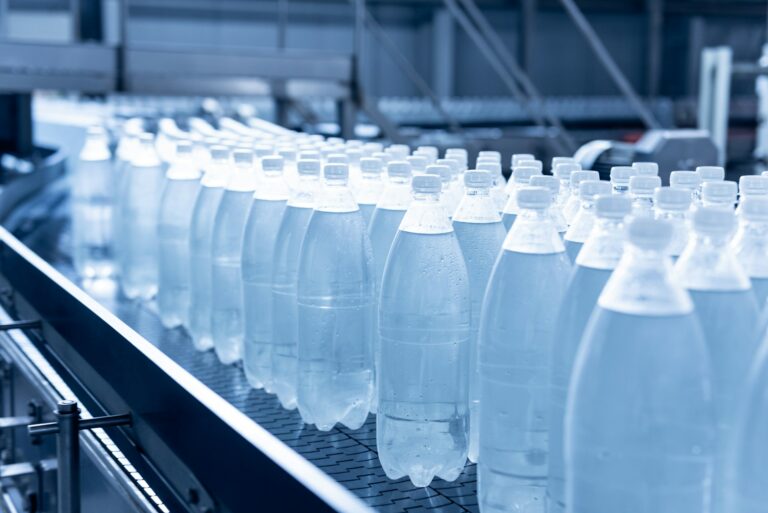
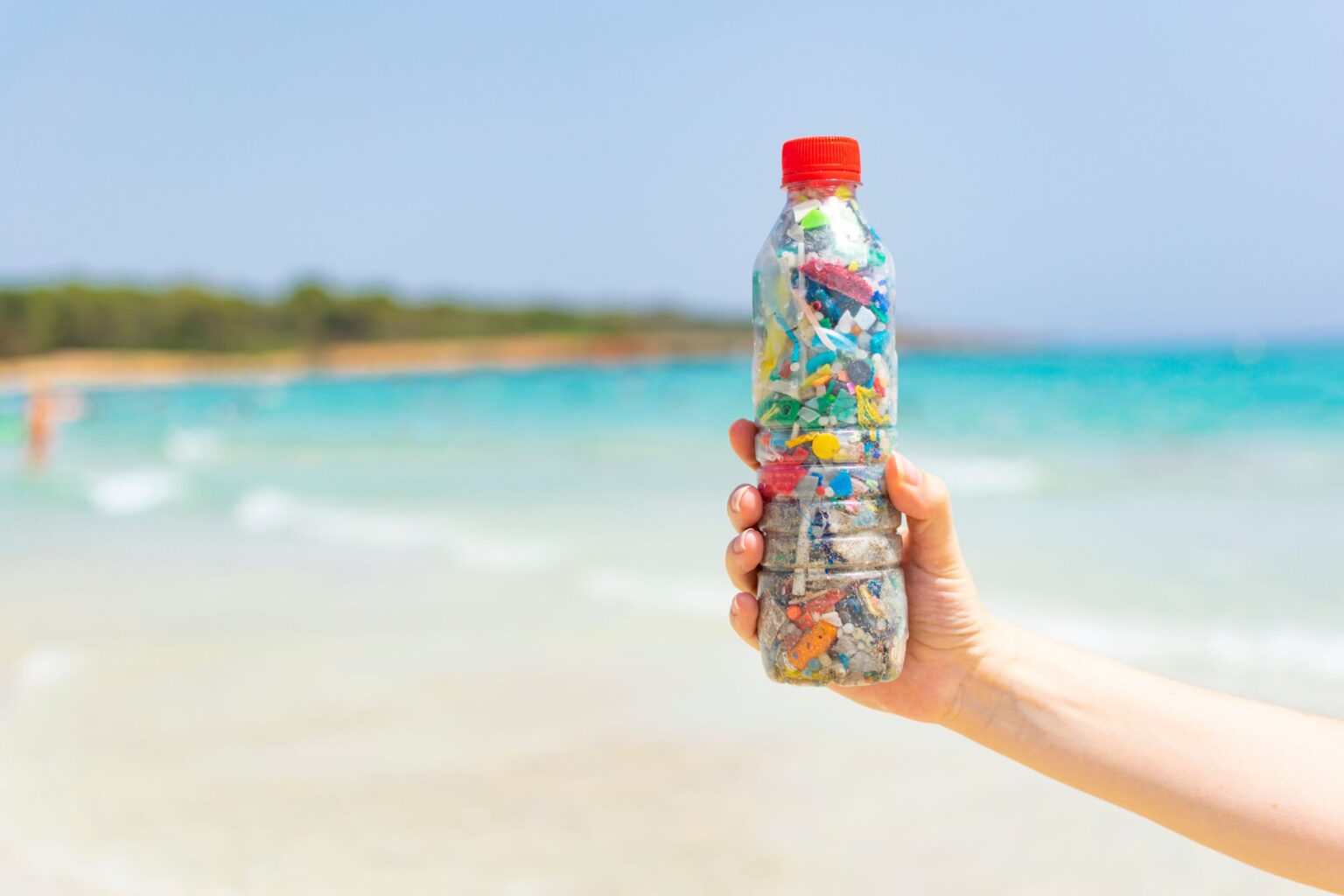
Microplastics have become a growing concern in bottled water due to the possibility of them easily entering the supply chain. During bottling and packaging, microplastic particles may be shed from plastic caps, bottle linings or even the machinery involved in the process. Transport and storage conditions, particularly when bottles are exposed to heat or friction, can accelerate this shedding. Groundbreaking studies, including one led by Orb Media, revealed the presence of microplastic particles in nearly all the bottled water samples tested from various global brands, sparking widespread consumer concern and increased scrutiny of even premium water suppliers.
Does “Premium” or “Spring” Mean Microplastic-Free?
Price or Branding Doesn’t Guarantee Purity
Paying more for bottled water or choosing a brand marketed as “premium” doesn’t automatically ensure the water is free from microplastics. Even high-end brands using natural sources can be vulnerable to contamination during bottling and packaging.
The Difference Between Natural Spring Sources and Processing Practices
Water sourced from natural springs is often lauded for its purity and mineral content. However, even if the source is pristine, contamination can still occur during extraction, bottling and distribution, depending on the materials and equipment used.
How Even Trusted Brands Can Be Affected
Brands that are otherwise known for high quality and sustainability may still be affected due to the ubiquity of plastic in production processes. Even with rigorous controls, microplastic particles can make their way into the final product.
What Do Studies Say About Microplastics in Bottled Water?
Several studies, including those commissioned by the World Health Organization and Orb Media, have found microplastic particles in over 90% of bottled water samples tested globally. Typical particle counts ranged from tens to thousands per litre, depending on the brand and packaging. These studies suggest that most contamination comes from the plastic packaging rather than the water source itself. However, researchers are still uncertain about the full impact of long-term exposure to microplastics on human health and continue to investigate their presence in both bottled and tap water.

Can Microplastics Affect Your Health?
What We Know (and Don’t Know) About Long-Term Exposure
Current research is still developing, but there are concerns that long-term exposure to microplastics could pose health risks. These particles are small enough to enter human tissue and may accumulate in organs over time, though concrete conclusions have yet to be drawn.
How Microplastics May Carry Toxins or Disrupt Digestion
Microplastics can act as carriers for harmful toxins and bacteria, potentially introducing additional contaminants into the body. Some studies suggest they might irritate the digestive system or disrupt the gut microbiome.
Who Might Be More Vulnerable (e.g. Children, Pregnant Women)
Infants, children and pregnant women are considered more vulnerable to the effects of microplastics due to their developing systems and increased sensitivity to environmental toxins. Reducing exposure can be particularly important for these groups.
What Can You Do as a Consumer?
Tips for Minimising Plastic Exposure
To reduce microplastic intake, consider switching to glass bottled water or using home filtration systems certified to remove microplastic particles. Avoid exposing plastic bottles to heat and always check packaging for BPA-free and eco-certifications.
How to Read Between Marketing Claims
Many bottled water brands use terms like “pure”, “natural” or “spring-sourced” that suggest safety, but they do not guarantee a product free of microplastics. Look for detailed transparency about sourcing, packaging materials and testing procedures.
When Tap Water or Filtered Water Might Be the Safer Choice
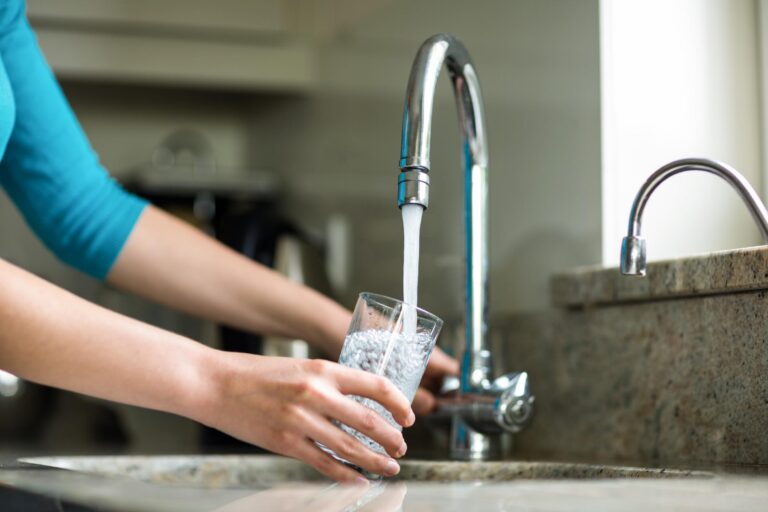
Depending on the region, filtered tap water can be a safer and more sustainable option. Use a certified filter system and regularly test your tap water if you’re concerned about contaminants.
Are Glass Bottles a Safer Alternative?
Pros and Cons of Glass Packaging
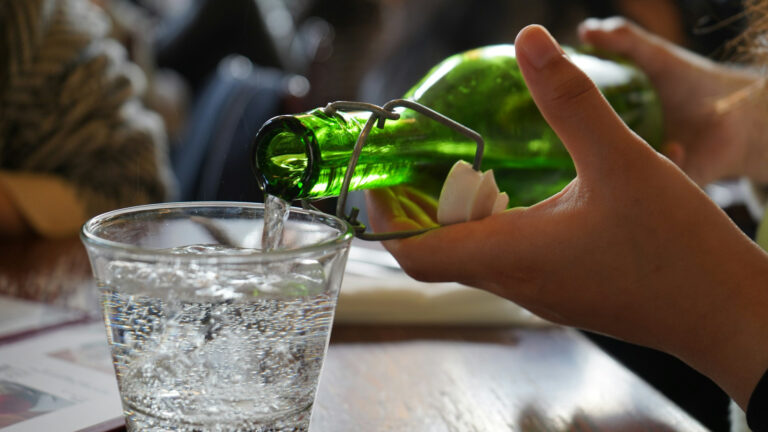
Glass bottles do not shed microplastics and are generally considered a safer and more inert packaging material. They are also recyclable and free from chemical leaching, making them a preferred option for health-conscious consumers. However, they are heavier to transport and more prone to breakage.
Risks of Contamination
While glass significantly reduces the risk of plastic leaching, contamination can still occur during bottling if hygiene standards are not strictly maintained. However, this risk is usually much lower compared to plastic.
Glass or Eco-Friendly Alternatives
Glass and aluminium packaging are strong alternatives for consumers seeking safer and more sustainable options. These materials are not only recyclable but also inert, meaning they do not interact with the water they contain. New Forest Water uses glass bottles to ensure the natural spring water remains pure and uncontaminated. This commitment to sustainable water delivery ensures minimal environmental impact while prioritising consumer health.
Stay Informed, Not Fearful
Microplastic contamination in bottled water is a valid concern, but it shouldn’t lead to fear-driven decisions. Instead, consumers can stay informed, seek transparency from brands and regulators, and choose safer packaging options like glass where possible. With ongoing research and improved standards, the future of safe, sustainable spring water is promising; especially from brands such as New Forest Water that prioritise health, quality and eco-conscious practices.