The hidden cost of bottled water is rarely visible on the supermarket shelf. A bottle priced at 50p or £1 feels inexpensive in isolation. Multiplied across a week, a month or a year, the numbers tell a very different story.
When considering the true cost of buying bottled water there are three dimensions to understand. Financial cost. Environmental cost. Long-term material impact.
The price you see is only one part of the equation. For households across the UK, the difference between tap water, supermarket plastic and locally sourced glass bottled spring water is significant.
The Price You See vs the Price You Pay
Bottled water appears affordable at face value. A single 500ml bottle might cost less than a cup of coffee. The hidden cost of bottled water becomes clear when consumption is habitual rather than occasional.
A UK family of four buying two 500ml bottles per person per day would spend approximately £730 to £1,095 per year. That is based on average retail pricing in 2025. What feels like a small daily purchase becomes a substantial annual expense.
Put another way, how much does bottled water cost per year in UK households? For regular buyers it can comfortably exceed £1,000 annually without realising it.
Compare this to tap water. UK tap water costs approximately 0.3p per litre. A litre of bottled water typically costs between 30p and £2.00. That makes bottled water up to 2,000 times more expensive than tap water on a per litre basis.
This gap explains why many people question bottled water vs tap water cost comparisons in the UK. The financial difference is not marginal. It is exponential.
Why Is Bottled Water So Much More Expensive Than Tap Water?
Tap water is delivered through existing infrastructure. It travels short distances through pipes and requires no individual packaging.
Bottled water must be manufactured, packaged, labelled, transported and displayed. Plastic resin must be produced. Bottles must be moulded. Caps must be fitted. Labels must be printed. Each stage adds cost.
When water is imported from continental Europe or transported across long distances, the cost increases further. Fuel, refrigeration and warehousing all contribute to the final retail price.
The hidden cost of bottled water includes not just the water itself but the entire supply chain behind it.
The Environmental Cost of Plastic Water Bottles
Financial cost is only part of the equation. The environmental cost of plastic water bottles is often far greater than consumers expect.
Research shows that bottled water can have environmental impacts hundreds or even thousands of times greater than tap water, depending on the measure used. The energy required for plastic production and logistics significantly increases overall impact.
Manufacturing, transporting and disposing of plastic bottled water generates approximately 3.4kg of CO2 equivalent per litre consumed. That figure includes raw material extraction, production, transport and end-of-life disposal.
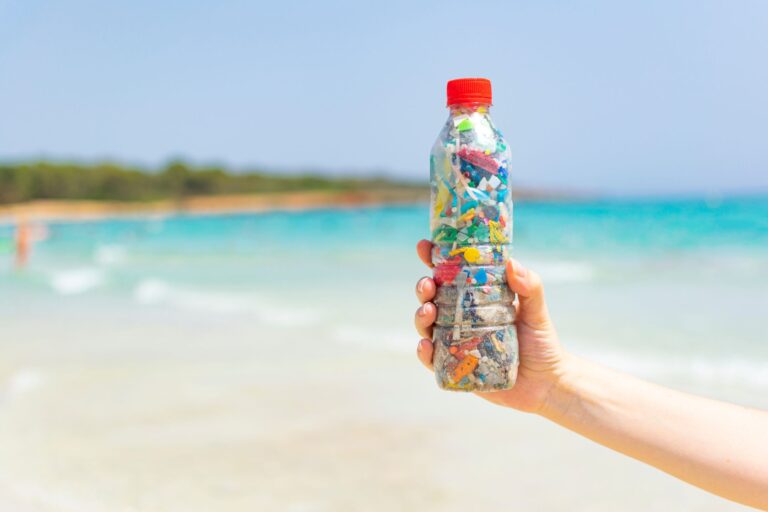
Recycling is frequently presented as a solution. In reality the UK recycles only around 45% of plastic bottles. Over half end up in landfill or escape into the natural environment.
Microplastics are another concern. A State University of New York study found that 93% of bottled water samples contained microplastic particles. Bottled water consumers may ingest up to 90,000 plastic particles annually compared with around 4,000 for tap water drinkers.
These numbers reshape the conversation around whether bottled water is bad for the environment. The impact extends beyond visible litter. It includes carbon emissions, fossil fuel dependency and persistent microplastic pollution.
For a broader overview, explore our analysis of the environmental impact of water bottles.
The Health and Material Considerations
Plastic bottles are typically made from PET. While approved for food contact, PET can leach trace substances such as antimony; particularly when exposed to heat. BPA is not present in PET but can appear in other plastic packaging materials.
Heat accelerates chemical migration. Leaving bottles in cars or direct sunlight increases risk. While regulatory limits exist, the presence of microplastics in the majority of tested bottled water samples raises wider questions about long-term ingestion.
This does not mean bottled water is unsafe. It does mean that packaging material matters.
Is Bottled Water Worth It?
For occasional use, convenience may justify the price. For daily consumption, the numbers are harder to defend.
If a household is spending close to £1,000 per year on supermarket plastic water the question becomes whether there is a better option.
Cost of buying bottled water accumulates quietly. Few people calculate annual totals. Fewer still consider environmental externalities.
How the Numbers Change with Local Glass Bottled Spring Water
The comparison changes significantly when supply chains shorten and packaging improves.
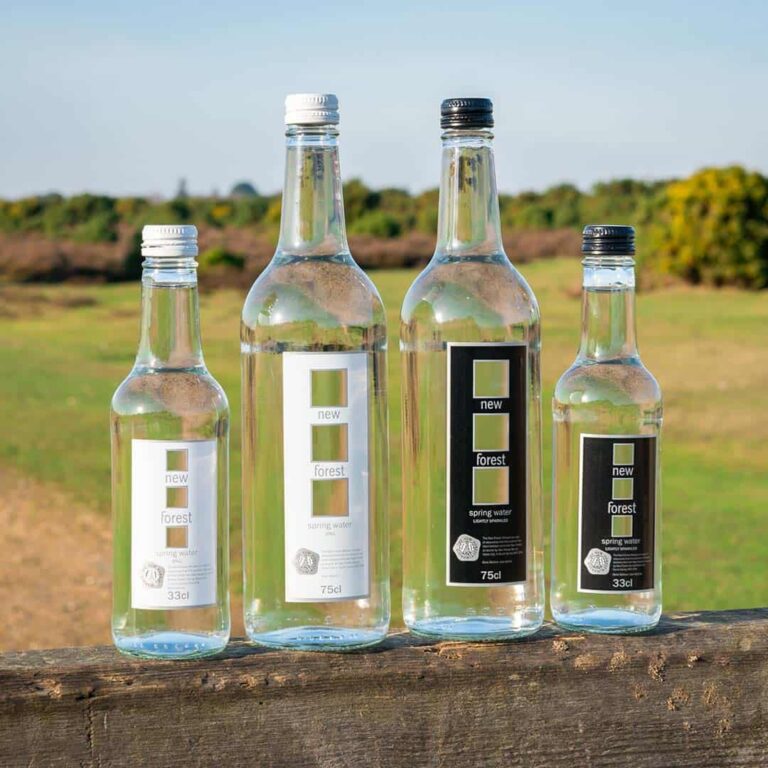
New Forest Spring Water sources its bottled spring water locally in the New Forest region. That proximity reduces transport distance compared with imported brands travelling across Europe. Shorter journeys mean lower transport emissions and reduced logistics complexity.
Glass bottles are chemically inert and infinitely recyclable with no loss of quality. Unlike plastic, glass does not degrade during recycling cycles. It can be reused and reprocessed repeatedly.
When customers switch to a local water subscription, the cost per litre becomes more predictable and often lower than buying single bottles from supermarkets. Bulk delivery reduces per unit pricing and eliminates repeated impulse purchases.
The environmental profile improves as well. Removing single-use plastic from regular household consumption significantly reduces waste. Local delivery routes are more efficient than long international transport chains.
Local Sourcing vs Imported Water
Supermarket shelves often stock water imported from continental Europe. These brands travel hundreds or thousands of miles before reaching UK consumers.
New Forest Spring Water is bottled at source within the New Forest region. The journey from source to customer is shorter, more transparent and easier to manage responsibly.
The difference is not only environmental. It is about provenance and accountability. When sourcing is local, oversight is clearer and transport distances are measurable.
The True Hidden Cost of Bottled Water
The hidden cost of bottled water combines annual household spend, carbon emissions and plastic persistence.
Financially a family can spend £730 to £1,095 per year on small daily purchases. Environmentally each litre can carry around 3.4kg of CO2 equivalent. Nationally, more than half of plastic bottles fail to be recycled.
Tap water remains the cheapest option at approximately 0.3p per litre. Bottled water ranges from 30p to £2.00 per litre. The gap explains why bottled water vs tap water cost UK comparisons often surprise consumers.
The question is not simply is bottled water worth it. The more relevant question is which bottled water model makes sense if you choose to buy it.
A Clearer Choice for Value and Impact
For those who prefer the taste and presentation of bottled spring water, local glass offers a different balance of cost and impact.
New Forest Spring Water provides bottled spring water in glass with a short supply chain rooted in the New Forest. Glass is infinitely recyclable, inert and stable.
Switching from supermarket plastic to a locally delivered glass option reduces plastic waste, shortens transport distance and creates a clearer understanding of true cost.
If you are reviewing your household spend or looking to reduce plastic consumption, explore our flexible subscription options. A structured delivery model can help control cost while aligning purchasing decisions with long-term environmental responsibility.