Tea is mostly water. That sounds obvious, but it is the detail people most often overlook. The minerals dissolved in your water shape flavour, colour, aroma and mouthfeel just as much as the tea leaves themselves. This is why spring water for tea can make a noticeable difference, but only when its hardness suits the type of tea you drink. Choosing the wrong water can mute flavour, dull aroma and leave an unappealing film on the surface, while the right water allows each tea to show its character clearly and consistently.
What Water Hardness Means for Tea
Understanding water hardness is essential if you want to improve the way your tea tastes at home. Hardness is one of the most important factors in water quality for tea, yet it is rarely discussed outside specialist circles.
Hardness Explained in Simple Terms
Water hardness refers to the amount of dissolved minerals in water, mainly calcium and magnesium. Soft water contains low levels of these minerals, while hard water contains higher concentrations. Very hard water often leaves visible limescale in kettles and appliances and can create a dull or cloudy appearance in brewed tea. When discussing water hardness in tea, it is these mineral levels that decide whether a brew tastes clean and balanced or flat and chalky.
Why Tea Reacts to Minerals
Tea leaves contain compounds called polyphenols. These compounds react with calcium and magnesium during brewing. In hard water, the reaction can suppress aroma, reduce sweetness and cause uneven colour or surface scum. This is why hard water vs soft water tea comparisons often show dramatic differences in flavour. Softer water allows polyphenols to dissolve more evenly, producing a brighter and smoother cup.
How Spring Water Compares to Tap Water
Many tea drinkers turn to bottled water hoping for a better result, but the comparison between tap water and spring water is not always straightforward.
Tap water hardness varies by region, especially in areas with chalk or limestone geology. Spring water is filtered naturally underground, but its mineral content depends entirely on the rock layers it passes through.
Mineral Levels in Spring Water
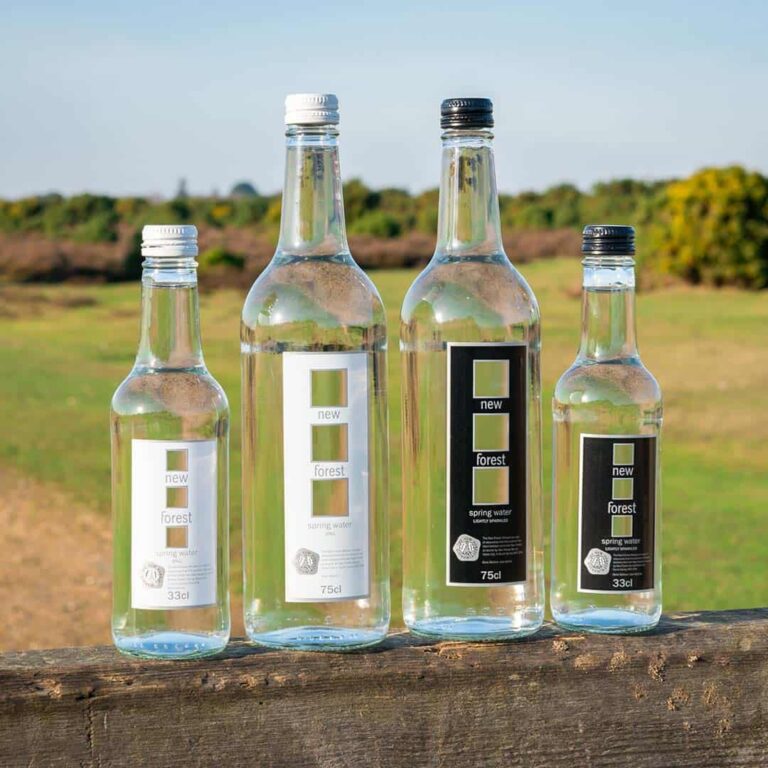
Spring water contains naturally occurring minerals picked up as it moves through rock. The key point is variation. Some spring waters are soft and ideal for tea. Others are highly mineralised and behave much like hard tap water. This is why spring still water can be either excellent or unsuitable for tea, depending on its mineral profile.
Consistency Matters
One advantage of spring water is consistency. Tap water hardness can fluctuate seasonally or when supply sources change. Spring water remains consistent bottle to bottle, which helps if you want repeatable results. This reliability is especially valuable for delicate teas where even small mineral changes affect taste.
Best Water Hardness for Different Teas
Not all teas respond to water in the same way. Understanding which water suits each style helps you choose the best water for tea rather than relying on guesswork.
Black Tea
Black tea is more forgiving than other styles. It can tolerate moderate hardness and a small amount of calcium can even add body and weight to the cup. However, very hard water flattens flavour, increases bitterness and creates surface residue. A lightly mineral spring water for tea works well, giving structure without overwhelming the leaves.
Green and White Tea
Green and white teas require soft water. Their delicate aromas and subtle sweetness are easily masked by minerals. High calcium and magnesium levels overwhelm the flavour and create a harsh edge. For these teas, soft spring still water with low total dissolved solids is usually the best water for tea; allowing grassy, floral and sweet notes to come through clearly.
Herbal and Fruit Teas
Herbal and fruit teas are less sensitive, but they still suffer in very hard water. Excess minerals can dull fruit flavours and add a chalky aftertaste. While these teas are more robust, softer water still produces a cleaner and more refreshing result.
When Spring Water Is a Bad Choice
Spring water is not automatically better. In some cases, it can make tea worse than tap water.
Highly Mineralised Bottled Water
Some bottled waters are marketed as premium or healthy because they contain high levels of minerals. While these may suit drinking on their own, they are often poor for tea. High mineral content causes cloudiness, suppresses aroma and exaggerates bitterness.
Boiling Does Not Fix Hardness
Boiling water does not solve mineral problems. While boiling can remove some temporary hardness in tap water, most minerals in spring water remain unchanged. If the water is unsuitable, heat will not correct it.
How to Choose the Right Spring Water for Tea
Selecting spring water for tea is about reading labels and understanding a few key numbers rather than trusting marketing language.
What to Check on the Label
Look for total dissolved solids or dry residue. Lower numbers indicate softer water. For tea, water under around 100 milligrams per litre is generally safer. Avoid waters described as rich in minerals or high in calcium. If calcium and magnesium are listed separately, lower values usually mean better results for delicate teas.
Filtered Tap Water as an Alternative
In hard water areas, filtered tap water can sometimes outperform bottled spring water. A good filter reduces hardness while keeping enough minerals for balance. This approach often produces excellent results for tea, costs less over time and creates less waste. In the debate between spring water for tea and filtered tap water, filtration is often the most practical option for daily brewing.
Spring water is not automatically better for tea. Soft or lightly mineral spring water can dramatically improve clarity, aroma and flavour. Highly mineral spring water can ruin even the best leaves. The best water for tea is soft, clean and consistent, whether it comes from a bottle or a filter.