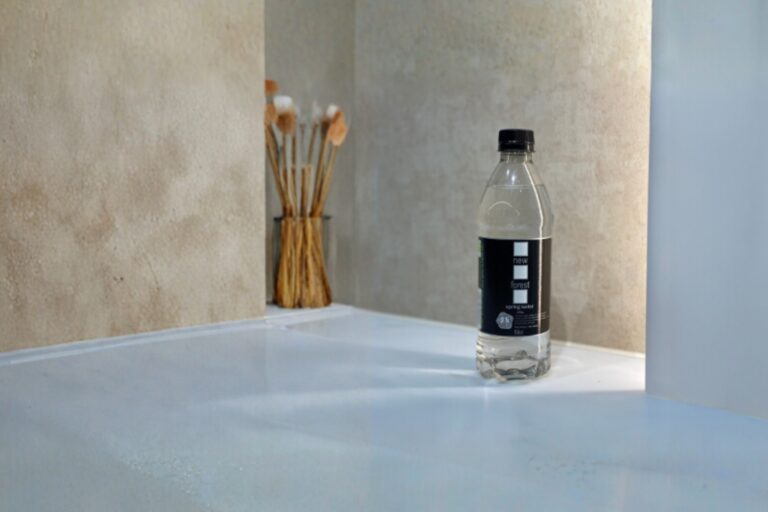
PFAS, often called forever chemicals, are becoming one of the most talked about concerns in relation to tap water in the UK. These long‑lasting, man‑made compounds don’t break down easily and are increasingly being detected in water supplies nationwide. As awareness grows, many households are rethinking how they access drinking water and are turning to bottled spring water for peace of mind and a clearer sense of control over drinking water safety.
What Forever Chemicals Are
Understanding what PFAS are, and why they appear in tap water, is the foundation for making informed choices about your water consumption.
Plain English Definition
PFAS refers to per and polyfluoroalkyl substances, a large family of synthetic chemicals used for decades in products such as non‑stick pans, stain‑resistant fabrics, waterproof jackets, food packaging and firefighting foams. Their ability to resist heat, grease and water made them commercially valuable, but these same properties mean they do not degrade naturally and can persist in the environment for many years.
How PFAS Enter Water
These chemicals can make their way into waterways through several routes. Industrial runoff, landfill leachate and historical use of firefighting foam all contribute to PFAS entering rivers, reservoirs and groundwater. Once they enter the water cycle, removing them requires advanced filtration technologies that not all treatment plants currently have access to.
Health Signals To Know
Research into PFAS exposure is ongoing, but some studies have linked long‑term exposure to potential health effects such as hormone imbalance, immune system impacts, developmental concerns and an increased risk of certain cancers. Scientists note that the risk relates to both the concentration of PFAS consumed and the length of time someone is exposed.
UK Rules and Testing Today
Regulators in the UK have strengthened their monitoring of PFAS, though national guidance still differs from global standards and scientific recommendations.
How Water Is Monitored
The Drinking Water Inspectorate (DWI) oversees UK water quality. Water companies must routinely test supplies for a wide range of substances, including PFOS and PFOA (two of the most studied PFAS compounds). Results are made available to the public and include thresholds that guide further action.
Recent reporting highlights how significant this issue has become. A BBC investigation revealed that more than six million people are served by water companies that have been ordered to take action over potentially harmful PFAS levels. The analysis reviewed 23 enforcement notices issued by the Drinking Water Inspectorate for concentrations that could pose a potential danger to human health, highlighting the growing urgency for tighter monitoring and remediation.
UK Limits Compared With Other Regions
Current UK guidance sets a combined threshold of 100 ng/l for PFOS and PFOA. By comparison, some US states have set limits as low as 4 ng/l, and the World Health Organization has proposed provisional limits that are considerably tighter than the UK’s.
What Enforcement Notices Mean
When PFAS levels exceed action thresholds, water companies must notify authorities and customers. They are also required to take corrective measures such as improving filtration, blending supplies or providing alternative water sources. Follow‑up monitoring then confirms whether levels have been reduced.
Tap Water Treatment Options
Reducing PFAS in drinking water relies on what utilities can do at source and what individuals can do at home.
What Utilities Can Do
Water companies can invest in specialist treatment methods such as activated carbon adsorption, ion exchange and high‑pressure membrane systems. While effective, these technologies are costly and energy‑intensive, which means upgrades take time to implement across the country.
What You Can Do At Home
Households seeking additional protection can use point‑of‑use filters designed to reduce PFAS. Reverse osmosis units and granular activated carbon filters are the most commonly recommended options. To ensure performance, look for filters certified under NSF/ANSI Standards 53 or 58 and follow cartridge replacement schedules carefully.
Why Some People Choose Spring Water
For many families, bottled spring water offers reassurance, particularly when the source is well monitored and the water undergoes natural filtration underground.
What Spring Water Means In Law
Spring water in the UK must be collected from a protected underground source and bottled at the point of origin. It cannot undergo treatments that alter its natural mineral balance or composition. This legal protection ensures consistent quality and purity.
Possible Benefits
Spring water is valued for its stable mineral profile, clean taste and, in many cases, lower PFAS levels compared with treated mains water. Because it rises naturally to the surface through rock layers, it undergoes natural filtration long before bottling.
Limits And Caveats
Choosing spring water involves weighing up considerations such as cost, packaging waste and transport emissions. Reading the water quality report printed on the bottle helps ensure you are selecting a source with recent, transparent testing data.
How To Pick A Safer Option
Whether you prefer bottled spring water or upgraded filtration, making a safe choice starts with understanding the information provided by water suppliers and manufacturers.
Reading Quality Reports
Water companies publish annual quality reports showing PFAS concentrations in nanograms per litre. These tables list PFOS, PFOA and occasionally total PFAS. Being familiar with these figures enables you to compare your supply with recommended health guidelines in the UK and abroad.
Choosing A Filter That Works
When selecting a home filter, check for independent testing. Systems using granular activated carbon, ion exchange or reverse osmosis have demonstrated effectiveness, but not all products are equal. Certification labels and technical performance sheets provide essential information.
Choosing A Spring Water Supplier
Look for suppliers that share recent test results, detail their source protection measures and offer environmentally responsible packaging options such as glass bottles or recycled PET. Local suppliers with short delivery routes typically have a lower carbon footprint.
Environmental Impact
Every drinking water choice has an environmental cost, so understanding the differences helps reduce overall impact.
Tap Versus Spring
Treated mains water generally has a lower carbon footprint due to centralised treatment and distribution. However, spring water sourced and delivered locally in reusable or recyclable packaging can narrow the environmental gap significantly.
Cutting Waste
Reducing waste is achievable through returnable glass bottles, home water dispensers and proper recycling. Many spring water suppliers now offer refill schemes or bulk delivery options to minimise packaging.
Common Questions
Growing interest in PFAS means households often have similar concerns about their water supply. These answers provide a straightforward starting point:
Is UK Tap Water Safe To Drink?
Most UK tap water meets strict safety standards, but PFAS levels vary by region. Reviewing your local report ensures you are aware of current readings and any planned improvements.
Do Boiling Or Softeners Help?
Neither boiling water nor using a water softener reduces PFAS. Only certified filtration systems designed for PFAS removal are effective.
How Often Should I Test Water?
Homes relying on private wells or boreholes should test annually, while those using mains water should review their supplier’s published reports or request more detailed results if concerned.
Local Action For New Forest Readers
Residents of the New Forest region can take straightforward steps to stay informed and reduce PFAS exposure.
Where To Find Your Latest Report
Southern Water’s website includes a postcode search function that provides the latest drinking water quality report. Look specifically for listings under PFOS, PFOA or PFAS parameters.
Contact Points
For concerns about water quality, contact your water supplier, the Drinking Water Inspectorate or the Environment Agency. Those using private supplies can request specific PFAS testing through accredited laboratories.
Making Confident Choices About Your Water
Understanding PFAS and the options available helps households make informed decisions about drinking water safety. Reliable sources include the Drinking Water Inspectorate, the World Health Organization and peer‑reviewed scientific research, all of which provide clear guidance as the science continues to evolve.