Spring water is often described as clean, crisp or smooth, yet few people consider how much temperature influences those impressions. The minerals within natural spring water remain stable, but the way we experience them shifts depending on how cold or warm the water is. Understanding how temperature shapes spring water flavour can change the way you store, serve and compare bottled water.
Why Temperature Affects Taste
Taste is not fixed. Your taste buds respond differently depending on temperature, which directly influences water temperature taste perception. Cold temperatures tend to dull sensitivity across the palate, muting certain flavour notes. As temperature rises, sensitivity increases, allowing subtle characteristics to become more noticeable. In spring water, this means mineral elements may seem stronger or more defined at warmer temperatures, even though their concentration has not changed.
Spring water contains naturally dissolved minerals such as calcium, magnesium and bicarbonate. These remain chemically stable with small shifts in bottled water temperature. What changes is your perception. Flavour is the result of chemistry interacting with human biology. The mineral profile stays consistent, yet your sensory system interprets it differently depending on whether the water is chilled, ambient or warm.
Cold Spring Water
Temperature has a direct impact on how refreshing water feels. When served cold, spring water delivers a distinctly different experience from the same bottle left at room temperature.
Clean and Crisp Profile
Chilled spring water often tastes sharper and more refreshing. Lower temperatures suppress certain taste receptors, particularly those linked to bitterness and mineral intensity. This softens stronger mineral impressions and enhances the sense of clarity. For many people, this is why chilled spring water straight from the fridge feels especially clean and thirst quenching. The reduced mineral prominence creates a crisp spring water taste profile that prioritises refreshment.
Reduced Aroma and Mouthfeel
Cold water also affects texture and aroma. When very cold, water feels lighter on the palate because mouthfeel becomes less pronounced. Subtle structural differences between brands can be harder to detect at low temperatures. The aromatic elements of water are minimal compared to other beverages, but temperature still influences perception. At fridge temperature, fine distinctions in spring water flavour may be masked, making different sources seem more similar than they would at ambient conditions.
Room Temperature Spring Water
Allowing spring water to sit at ambient temperature changes the tasting experience. The structure becomes clearer and individual characteristics become easier to identify.
Stronger Mineral Expression
At room temperature, minerals are easier to taste. The increased sensitivity of your taste buds means calcium, magnesium and other naturally occurring elements become more defined. Water may feel rounder, fuller or slightly heavier on the palate. In professional tastings, spring water is often sampled at ambient temperature for this reason. Evaluating the spring water taste profile without the muting effect of cold provides a more accurate impression of its natural structure.
More Complex Mouthfeel
As temperature rises from chilled to room level, mouthfeel becomes more noticeable. You may detect a faint sweetness often associated with calcium or a firmer, drier finish linked to magnesium content. These effects are subtle rather than dramatic, yet they contribute to overall spring water flavour. The perception of texture, balance and finish becomes clearer when bottled water temperature is not suppressing sensory detail.
Very Warm Water
As water continues to warm beyond room temperature, the experience shifts again. While mineral content remains stable, the sensation changes in ways that many people find less refreshing.
Flat and Less Refreshing
When water becomes warm, it can feel flat. Dissolved gases escape more readily at higher temperatures, reducing the sense of freshness. Even still spring water contains small amounts of dissolved air that contribute to mouthfeel. As these dissipate, the structure may seem softer and less lively. The refreshing edge associated with chilled spring water diminishes, and the overall drinking experience can feel heavier.
Increased Bitterness
Higher temperatures can also increase the perception of bitterness in certain mineral compositions. This does not indicate contamination or spoilage. It is simply a sensory response to how taste receptors behave in warmer conditions. The same mineral balance that tastes smooth when lightly chilled may appear slightly more assertive as temperature rises. Understanding this helps explain why water left in a warm room or car may seem different from when it was first opened.
Practical Guidance
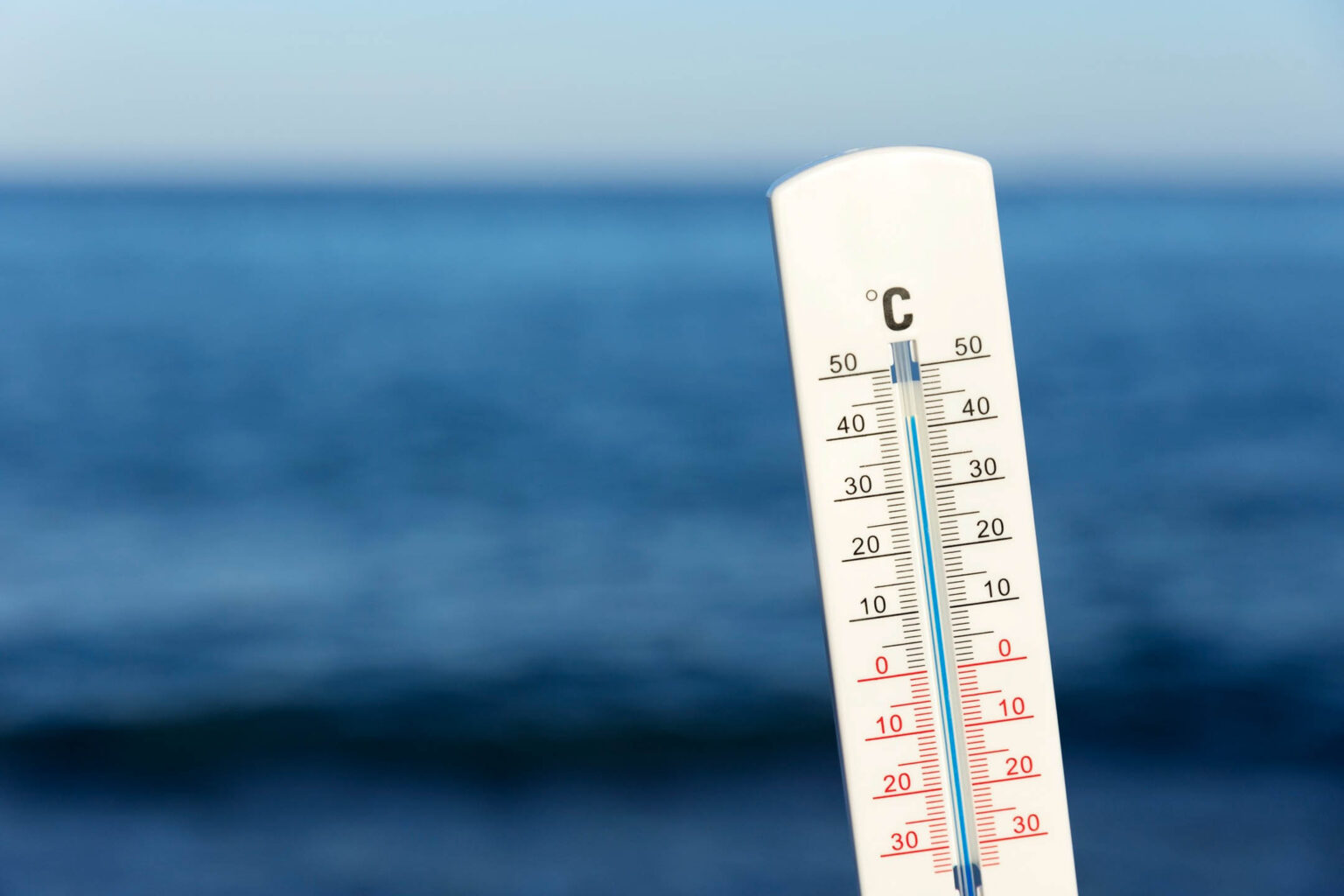
For everyday drinking, lightly chilled spring water offers a balance between refreshment and flavour clarity. A serving temperature of around 8 to 12 degrees Celsius works well for most people. At this range, the water feels crisp and cooling while still allowing some mineral character to come through. This is why chilled spring water is commonly preferred in offices, hospitality settings and at home.
If you want to compare mineral profiles between different spring sources, allow the bottles to sit at room temperature before tasting. Sampling at ambient conditions reveals structure, balance and finish more clearly. When assessing spring water flavour side by side, avoiding very cold bottled water temperature ensures that differences are not masked by reduced sensitivity.
Temperature Shapes Experience
Temperature does not change the mineral composition of spring water in any meaningful way. The calcium, magnesium and bicarbonate levels remain consistent regardless of whether the bottle is chilled or warm. What changes is how your sensory system interprets those minerals. Cold sharpens refreshment and softens intensity. Room temperature reveals complexity and structure. Warmth can reduce freshness and emphasise bitterness. The water stays the same. Your perception does not.
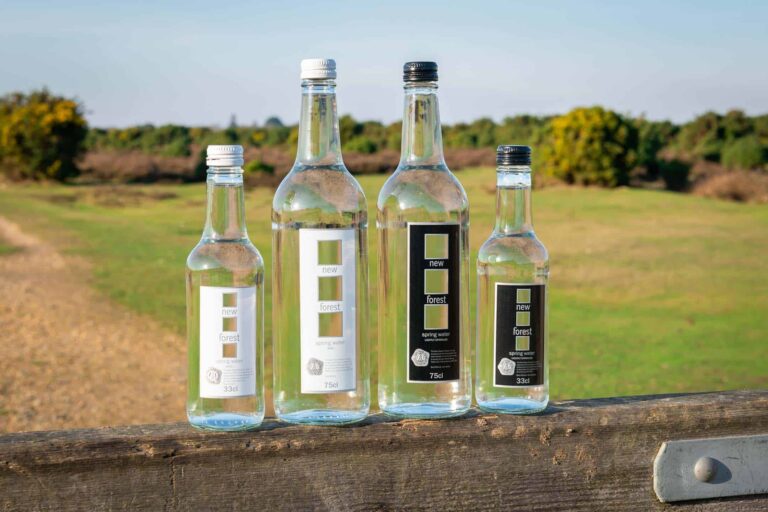
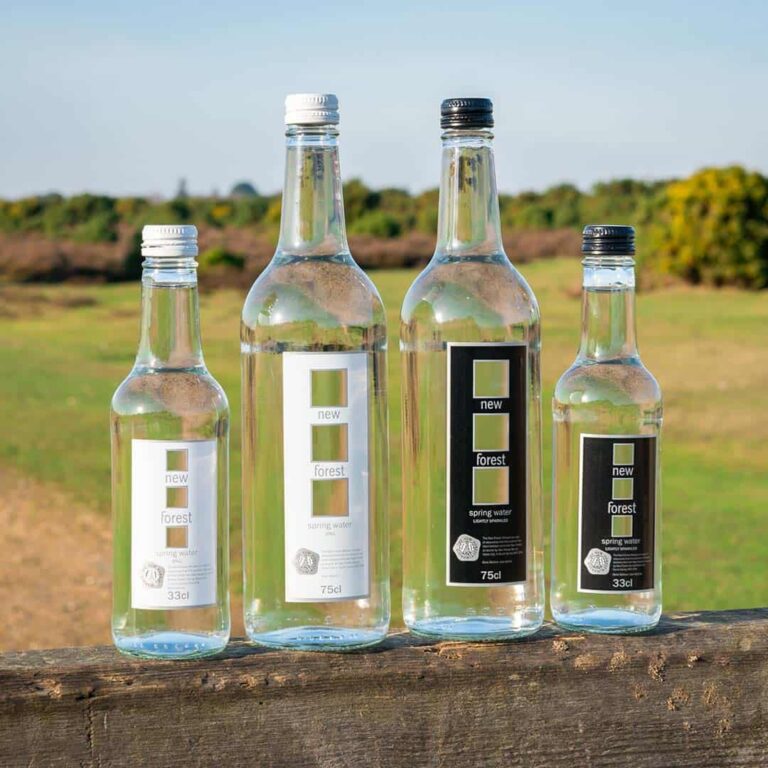
Explore New Forest Spring Water’s full range of spring water products here.