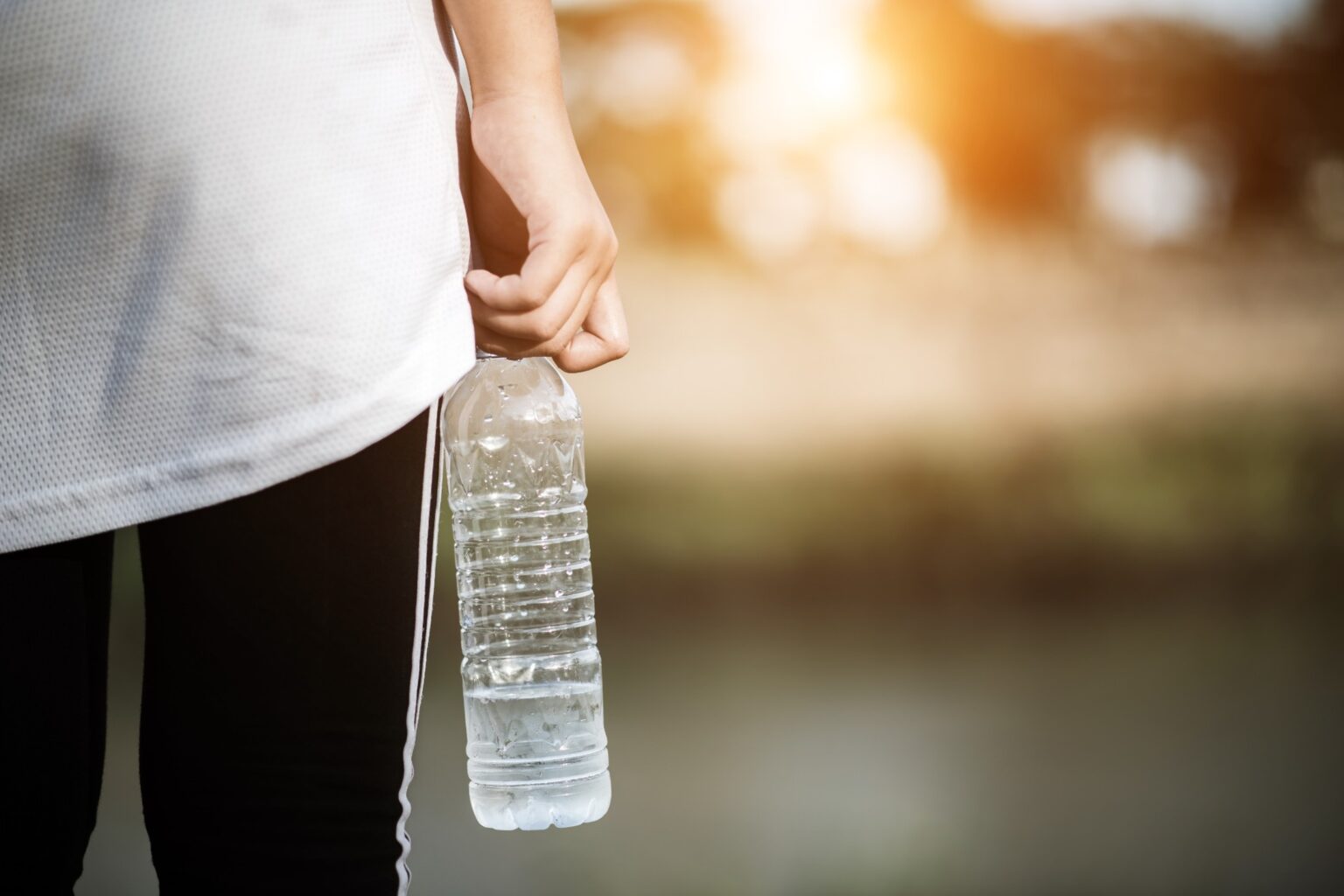
How long does bottled water last? The short answer is that the water itself does not expire. Pure water does not spoil in the way food does. What changes over time is the container. The bottle can degrade, affect taste and in some cases influence chemical stability.
Understanding bottled water shelf life means looking at packaging and storage conditions. We explain what the date stamp really means, how long unopened and opened water lasts and why glass offers a longer lasting solution.
Does Bottled Water Expire or Is It Just the Bottle?
Many people ask does bottled water expire or does water go bad. Technically water does not expire. There is no sugar, protein or fat to break down. If sealed correctly and stored properly it remains microbiologically stable.
In the United States the FDA does not require expiry dates on bottled water. In the UK and EU, manufacturers often apply a best before date. This date relates to packaging integrity rather than the safety of the water itself. It reflects how long the producer can guarantee that the bottle will maintain its structure and not influence taste or quality.
Over time, certain packaging materials can slowly degrade. Plastic may become more permeable. Seals may weaken. Carbonation in sparkling water can gradually escape. The water inside remains water, but the experience of drinking it may change.
What the Date Stamp on Bottled Water Really Means
If you have ever wondered does bottled water have an expiry date, the label can be confusing. Most bottles carry a best before date rather than a use by date.
A use by date relates to food safety and should be followed strictly. A best before date refers to quality. With bottled water this means the manufacturer guarantees taste, carbonation and packaging integrity up to that point, when stored correctly.
The date does not mean the water suddenly becomes unsafe the day after. However once the recommended period has passed, the producer cannot guarantee that flavour or carbonation will remain unchanged.
Bottled Water Shelf Life by Container Type
The container plays a significant role in how long water lasts unopened. Different materials behave differently over time.
Plastic Still Water
For still water in PET plastic bottles, the recommended bottled water shelf life is typically 2 years. PET is lightweight and widely used, but it is slightly permeable and can slowly interact with external conditions.
Plastic bottles can leach small amounts of antimony and microplastics over extended periods, particularly when exposed to heat. A 2007 ScienceDirect study found that antimony levels in bottles stored at high temperatures exceeded FDA limits. While this does not reflect normal cool storage, it highlights how heat accelerates chemical migration.
Plastic Sparkling Water
Sparkling water in plastic bottles usually carries a 1 year best before date. This shorter period is due to carbonation loss rather than water spoilage. Carbon dioxide slowly escapes through plastic over time, which reduces effervescence and changes mouthfeel.
Glass Still and Sparkling Water
Glass is chemically inert. It does not leach compounds into water regardless of temperature or storage duration. There is no BPA and no antimony migration risk.
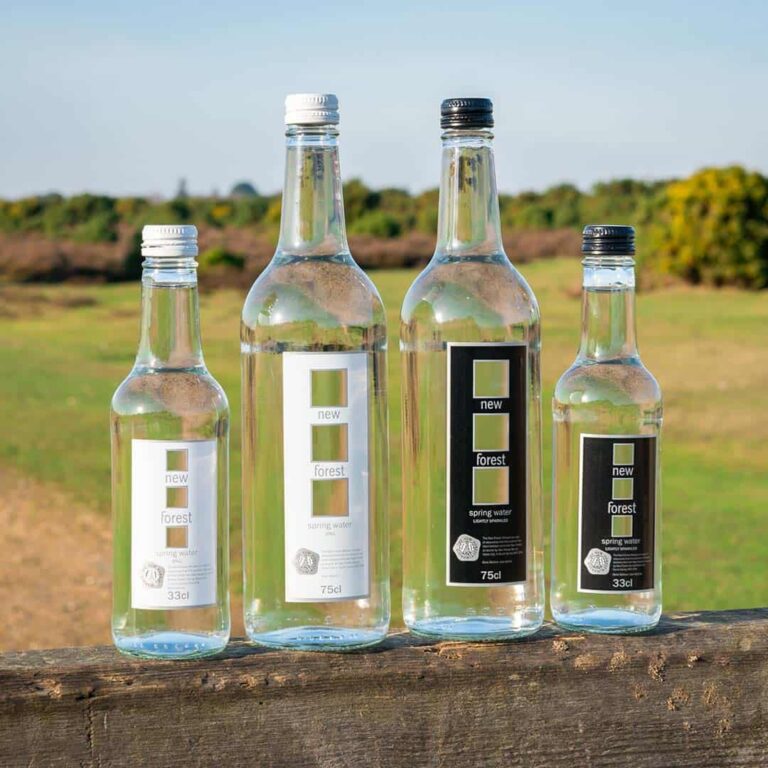
Still water in glass bottles typically carries a 2 year shelf life and can often remain stable beyond that when sealed and stored correctly. Sparkling water in glass can carry a 2+ year shelf life when properly sealed because glass prevents carbonation loss far more effectively than plastic.
For a deeper comparison, see our guide to glass vs plastic water bottles.
How Long Does Water Last Unopened?
If stored in a cool and dark environment, unopened still water in either glass or plastic remains safe well beyond its best before date. The primary concern is packaging quality, not microbial growth.
Sparkling water will gradually lose carbonation if stored for extended periods, particularly in plastic. In glass the seal is more stable and carbonation retention is stronger.
In practical terms, unopened still water lasts around 2 years under recommended storage conditions. Sparkling water in plastic is best consumed within 1 year while sparkling in glass can retain quality for 2+ years.
How Long Does Opened Water Last?
Once opened, bottled water is exposed to air and potential contaminants from contact. The clock changes at this point.
Still water kept at room temperature should be consumed within 2 to 3 days. If refrigerated and capped securely, it can last 4 to 6 days.
Sparkling water loses carbonation quickly once opened. For best taste it should be refrigerated and consumed within 2 to 4 days. After this it may taste flat even though the water itself is not harmful.
If you are purchasing for regular home use, our still water and sparkling water ranges are available in bottle types designed for freshness and convenient storage.
How Storage Conditions Affect Quality
How you store bottled water at home makes a significant difference to taste and packaging stability.
Heat is the biggest risk factor for plastic bottles. Elevated temperatures accelerate chemical migration including antimony from PET. Storing plastic bottles in a hot car or near radiators increases this risk.
UV light can degrade packaging and encourage algae growth if water is exposed to direct sunlight over long periods. While sealed bottles limit this risk, consistent exposure should be avoided.
Plastic is slightly permeable, which means it can absorb odours and vapours. Bottled water should never be stored near household chemicals, cleaning products or fuels. Strong smells can transfer over time.
Glass does not absorb odours and does not degrade in heat in the same way as plastic. However all bottled water benefits from being kept in a cool dark place away from temperature extremes.
Does Water Go Off in Glass Bottles?
Water does not go off in glass bottles when sealed and stored properly. Glass is inert and impermeable. It does not interact with the water or external environment.
This stability is one reason glass is widely used in hospitality settings and premium retail. Taste remains consistent and carbonation is better preserved.
For guidance on reuse and storage, see our glass bottle care guide.
What Happens If You Drink Old Bottled Water?
In most cases, drinking bottled water past its best before date is unlikely to cause harm, provided the bottle has been stored correctly and remains sealed.
The more common issue is taste. Water stored in plastic for extended periods, especially in warm conditions, may develop a slightly flat or unusual flavour. Sparkling water may taste dull due to lost carbonation.
If the seal is damaged or the bottle has been exposed to heat for long periods it is best to discard it.
Signs Bottled Water Should Be Discarded
While water itself does not expire, there are signs that indicate it should not be consumed:
- An unusual or strong odour
- Cloudiness or visible particles
- A damaged cap or broken seal
- Noticeable change in taste
- Bottle deformation due to heat exposure
If any of these occur the safest approach is to dispose of the bottle.
Practical Storage Tips for Bottled Water at Home
To maximise bottled water shelf life, follow a few straightforward steps:
- Store bottles upright in a cool dark location away from direct sunlight.
- Keep them away from cleaning chemicals and strong smelling products.
- Avoid garages or sheds where temperatures fluctuate widely.
- After opening recap tightly and refrigerate where possible.
- Consume within the recommended time frame for best taste and freshness.
Choosing Packaging That Protects Quality
When considering how long bottled water lasts, the material matters as much as the water itself. Glass offers chemical stability, better carbonation retention and protection from odour absorption. Plastic is convenient and lightweight, but more sensitive to heat and long term storage conditions.
New Forest Spring Water bottles its natural spring water in both glass and recyclable materials, with careful attention to storage guidance and shelf life. For customers who value long term quality and stability, glass provides reassurance that the container will not influence the water inside.
Freshness You Can Trust
Water does not expire. The container is what changes over time. By storing bottles correctly and choosing stable materials, you can ensure consistent taste and quality.
Explore the full range of New Forest Spring Water still and sparkling options and choose a format that suits your home or workplace. For regular delivery, consider a subscription to keep fresh spring water on hand without long storage times.