Coffee lovers often focus on beans, grinders and brew methods, yet the most influential ingredient is the one that gets the least attention: water. Because coffee is more than 98 percent water, the quality and mineral balance of what comes out of your tap directly shapes how your morning cup tastes. Many home brewers in the UK are now turning to spring water to unlock clearer and more consistent flavours without needing expensive equipment upgrades. By understanding how water chemistry works, it becomes much easier to improve your brews and enjoy barista level results from your own kitchen.
Why Water Quality Changes How Coffee Tastes
Every brewing method, from filter to espresso, relies on water dissolving flavour compounds from the coffee grounds. The hardness, alkalinity and mineral content of that water determine how well this extraction happens.
The science behind water and extraction
Coffee is largely water, which means the minerals within it act as tiny tools that decide how fast and how effectively flavour is pulled from the grounds. When the balance is right, water extracts pleasant acids, aromatic oils and natural sweetness without dragging out bitterness or leaving the brew flat. This is why the Specialty Coffee Association recommends water with moderate total dissolved solids and moderate hardness, generally around 150 to 175 ppm TDS and 50 to 175 ppm hardness. This range gives water enough “grip” to dissolve desirable flavours, yet prevents aggressive over extraction. With the right mineral mix, light roasts taste brighter and more nuanced, while medium and dark roasts develop smoother, fuller body.
The problem with hard tap water and coffee
In many UK regions, tap water is naturally very hard due to high levels of dissolved calcium and magnesium. While harmless to drink, this hardness can flatten the vibrancy of coffee by muting acidity, exaggerating bitterness and leaving a chalky finish. Over time, hard water also forms thick limescale inside kettles, espresso machines and pod machines. As limescale builds, heating becomes less consistent and temperature control becomes unstable, which further harms flavour. Even subtle swings in brewing temperature can shift a cup from sweet and balanced to harsh or dull, which is why baristas work hard to manage scale buildup in their equipment.
Why very soft or distilled water also tastes wrong
At the opposite end of the spectrum, water that is extremely low in minerals (such as distilled, deionised or some aggressively filtered water) does a poor job extracting flavour. Without minerals, water struggles to latch onto coffee compounds, leaving the brew sour or weak. Over time, very soft water can also corrode metal parts within machines because it seeks minerals from surfaces around it. This means using “pure” water is not the goal. What you want is balanced water, not water stripped of everything that helps coffee taste good.
Why Spring Water Helps Your Coffee
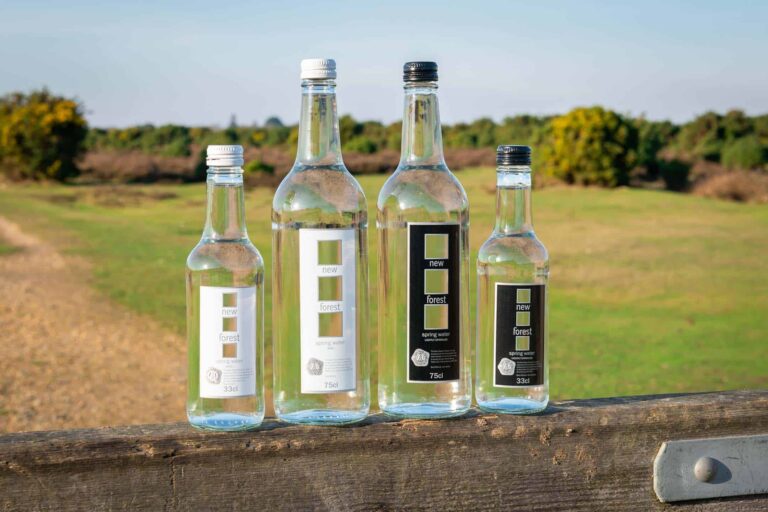
Spring water offers a natural middle ground. It supplies minerals in balanced amounts and is consistent from bottle to bottle.
Typical mineral profile in spring water
Still spring water often falls close to the mineral ranges preferred for coffee brewing. Many springs deliver moderate calcium and magnesium levels that help bring out sweetness, rounded texture and body. At the same time, a modest bicarbonate (alkalinity) level protects acidity so the flavour stays bright but not sharp. The result is water that works with your coffee rather than against it, offering predictability that tap water can rarely provide.
Side by side comparisons make the impact of good spring water immediately obvious. The same beans brewed with balanced spring water often taste cleaner, sweeter and more aromatic than when brewed with hard tap water. Bitterness softens, muddiness disappears and the natural character of the beans becomes clearer. Light roasts especially benefit with fruity, floral and citrus notes shining more distinctly. Even everyday supermarket beans can taste noticeably smoother and fresher when brewed with the right water.
When bottled spring water is not ideal
Not all bottled waters improve coffee. Some mineral waters contain extremely high levels of dissolved solids that can make coffee taste heavy, metallic or bitter. Sparkling, flavoured or heavily treated waters are also unsuitable because carbonation and additives disrupt extraction. Checking the label for total mineral content helps you avoid waters far outside the recommended coffee range.
Choosing the Best Spring Water for Home Brewing
A little label reading goes a long way in finding the right spring water for coffee at home. Bottled waters vary widely in mineral content, and those differences have a direct impact on flavour, clarity and balance in the cup.
Reading the label like a barista
Many spring waters list TDS, hardness or “dry residue” on the bottle. For coffee, look for a dry residue around 100 to 200 mg per litre and avoid waters far above 300 mg per litre. It is even better if calcium, magnesium and bicarbonate levels are shown, as these numbers shape clarity and acidity. Balanced calcium and magnesium encourage good extraction, while bicarbonate stabilises acidity.
If your local tap supply is extremely hard, using spring water as your main brewing source makes an immediate improvement. In softer regions, a blend of filtered tap water with spring water can offer good results while remaining economical. Checking your water company’s hardness rating helps you decide whether to use spring water exclusively, or to experiment with blends for ideal flavour.
Still spring water vs filtered tap water
Jug filters and plumbed-in filters can reduce chlorine and lower hardness, but they do not always deliver the mineral balance ideal for coffee. Spring water, on the other hand, has a stable profile already suited to extraction. Many home brewers take a hybrid approach by using filtered tap water for everyday brews and reserve a preferred spring water for high quality beans or weekend brewing.
Barista Level Brewing Tips With Spring Water
Once the water is right, your brewing can shine. Balanced spring water removes one of the biggest variables in home coffee making, allowing grind size, ratios and temperature to work as intended.
Even with good water, brewing temperature matters. For filter coffee, aim for water just off the boil (usually between 92°C and 96°C). Espresso machines should stay within the manufacturer guidelines for consistent shots. While spring water reduces scaling, it does not eliminate it entirely, so regular descaling protects heating elements and keeps temperature stability on track.
Simple recipes for filter and cafetière
For filter brewers, a good starting point is a 1:15 ratio (1 gram of coffee for every 15 grams of water). Adjust grind size so the brew finishes within a few minutes. Gentle circular pours encourage even extraction and bring out sweetness. For cafetières, use a slightly coarser grind, similar strength ratios and a four minute steep before pressing slowly.
Simple recipes for espresso and pod machines
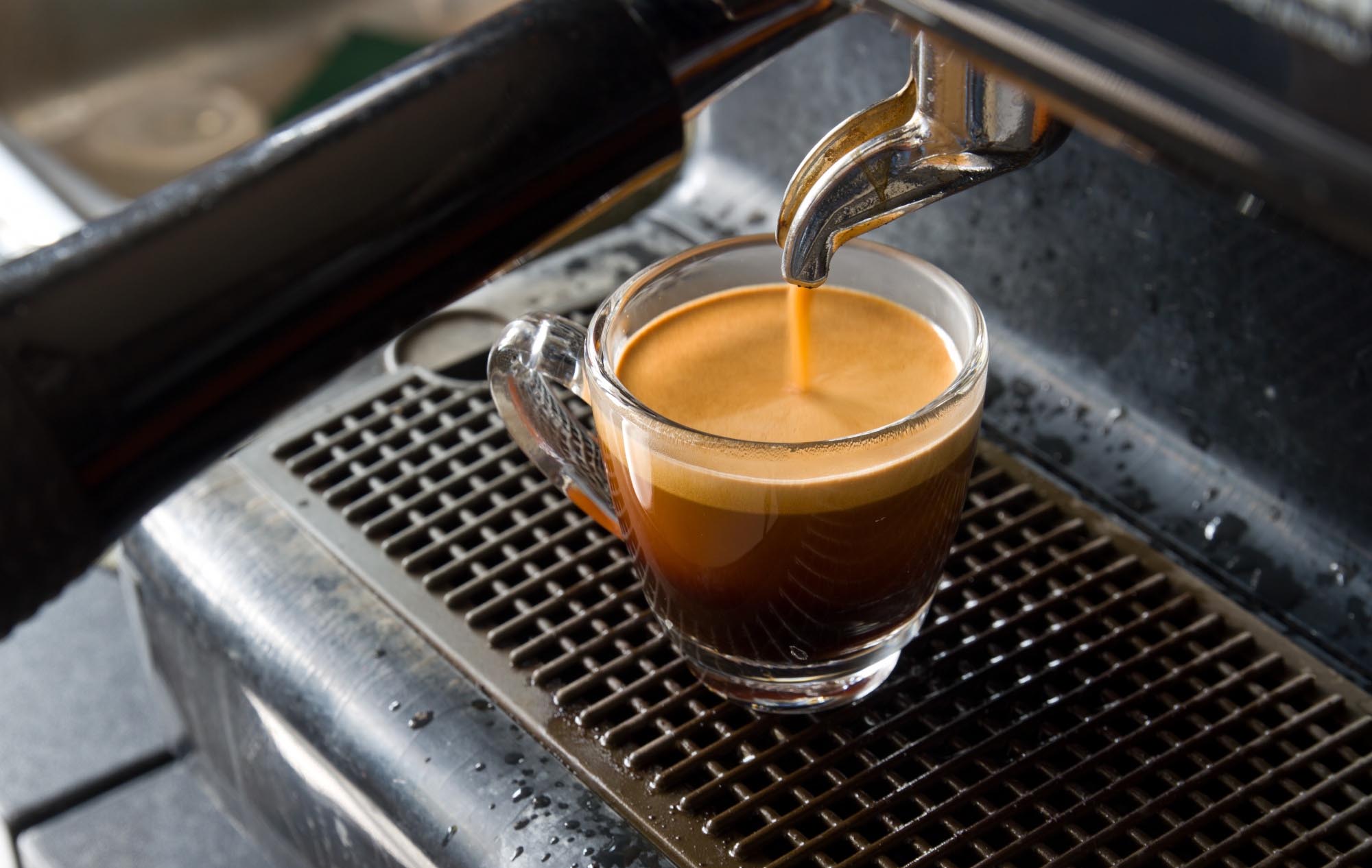
Espresso demands precision, so water quality is important. A common starting recipe is a 1:2 ratio. For example, 18 grams of coffee yielding about 36 grams of espresso in roughly 25 to 30 seconds. From there, adjust grind fineness to tune flavour. Pod machines give less control, but using high quality spring water and regularly cleaning the machine can noticeably improve cup quality.
Fixing Common Flavour Problems
Many home coffee issues stem from water rather than beans or equipment. When water chemistry is off, it can exaggerate bitterness, flatten sweetness or hide aroma, even when the coffee itself is well roasted and freshly ground.
Coffee tastes sour or weak
Sour, thin or hollow-tasting coffee often comes from water that is too soft or from brewing with water that is too cool. Trying a spring water with a slightly higher mineral content can help stabilise extraction. Tightening your grind or ensuring your kettle is properly heated also improves body and sweetness.
Coffee tastes bitter or chalky
Harsh bitterness and chalky mouthfeel typically point to overly hard water. Testing a gentler spring water is an easy fix. If the grind is too fine or the brew too long, adjusting both helps rebalance flavour. Heavy limescale inside kettles or espresso machines can also cause off-tastes, so descaling is essential.
When to suspect your water instead of your beans
If multiple coffees from different roasters all taste dull or harsh in a similar way, water is the most likely culprit. Another sign is when the same beans taste noticeably better at cafés using professional filtration. Before replacing equipment or changing roast styles, try brewing with a bottle of suitable spring water.
Caring for Your Gear When Using Spring Water
Even balanced water needs thoughtful handling to protect equipment and maintain flavour. Spring water improves consistency, but minerals still interact with kettles, boilers and pipework over time.
Spring water still contains minerals, so kettles and boilers will accumulate some scale. Regular descaling prevents heating issues. Empty kettles after use, wipe interior surfaces when accessible and avoid letting water sit in espresso tanks for long periods.
Keep unopened spring water bottles in a cool, dark place. Once opened, use the water within a few days so it stays fresh and odour free. Avoid topping up coffee machines repeatedly without emptying the tank, as stale water dulls flavour.
Small water changes that bring barista level flavour home
Better beans and equipment matter, but water chemistry is the foundation of good coffee. By choosing a spring water with balanced minerals, understanding a few label numbers and keeping your brewing kit clean, you can achieve results surprisingly close to café quality.