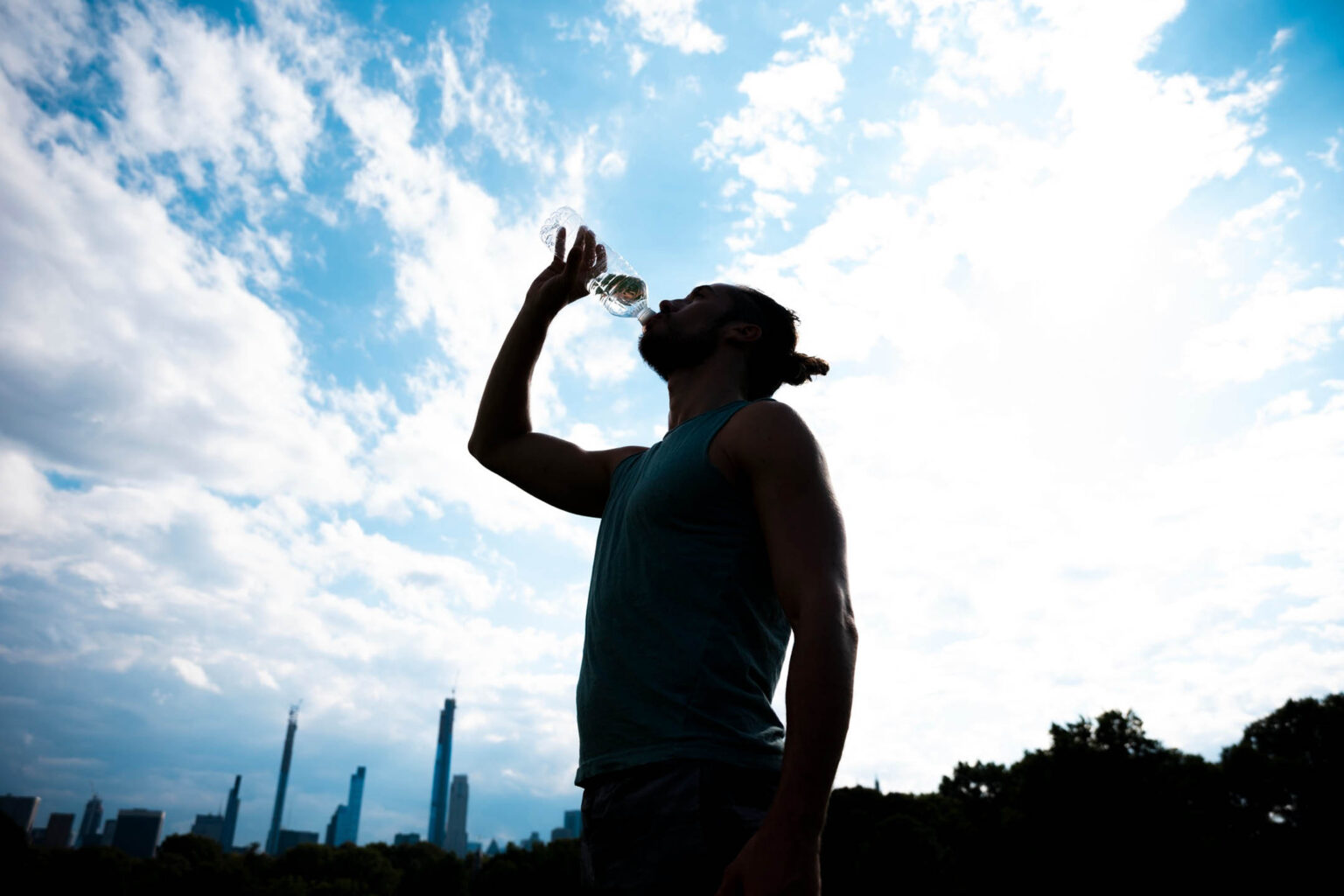
Hydration is not an optional extra for athletes. It is the foundation of performance. Even a 1 to 2% reduction in body water impairs endurance, slows reaction time and reduces concentration. Importantly performance begins to decline before thirst is fully registered.
For anyone training regularly, from gym members to endurance competitors, the question is not whether hydration matters but what form it should take. Is spring water for athletes sufficient on its own or do sports drinks provide a measurable advantage? The answer depends on intensity, duration and context.
Why Hydration Drives Performance
Water regulates body temperature, supports cardiovascular efficiency and allows muscles to contract effectively. During exercise the body loses fluid primarily through sweat. Sweat rates vary significantly from 0.5 to 3.0 litres per hour depending on intensity, environment and individual physiology.
Alongside fluid, the body loses electrolytes, principally sodium, with potassium, calcium and magnesium in smaller amounts. Sodium losses alone can range from 200mg to over 2,000mg per litre of sweat. Individual needs therefore vary considerably.
When dehydration reaches even 1 to 2% of body weight, measurable declines occur. Endurance capacity drops. Perceived effort increases. Decision making and reaction time deteriorate. For athletes focused on marginal gains these are not small differences.
Natural hydration for sport begins with understanding these losses and replacing fluid appropriately.
What Sports Drinks Actually Contain
Commercial sports drinks were originally formulated for professional and Olympic-level athletes competing for extended periods in hot conditions. They were designed to replace both fluid and carbohydrates during prolonged exertion.
Most sports drinks contain:
- Water
- 6 to 8% simple carbohydrates
- Sodium and potassium
- Artificial colouring, flavourings and preservatives
A standard 500ml sports drink typically contains around 130 to 160 kcal. For elite endurance athletes burning thousands of calories this may be appropriate. For a 45 minute gym session it may not be necessary.
Research from organisations including MUSC Health and Gundersen Health indicates that water is sufficient for the majority of training sessions under 60 to 90 minutes in moderate conditions. This reframes the debate around water vs sports drinks for athletes.
Sports drinks have a purpose. They are not automatically required for everyday training.
When Sports Drinks Are Genuinely Useful
There are clear scenarios where sports drinks can be beneficial:
- High intensity exercise lasting beyond 60 to 90 minutes.
- Endurance events such as marathons or long cycling sessions.
- Hot environments with heavy sustained sweating.
In these situations, carbohydrate intake during exercise can support energy availability and sodium replacement can help maintain electrolyte balance.
For most recreational runners, gym users, team sport players and fitness enthusiasts, plain water meets hydration needs effectively. This is where spring water for athletes becomes highly relevant.
Spring Water as a Natural Hydration Base
Is spring water good for athletes? In most day to day training scenarios the answer is yes.
Natural spring water contains naturally occurring calcium, magnesium and trace minerals. These are the same minerals that sports drink manufacturers often add artificially. In spring water they are present in balanced concentrations formed naturally as water moves through geological strata.
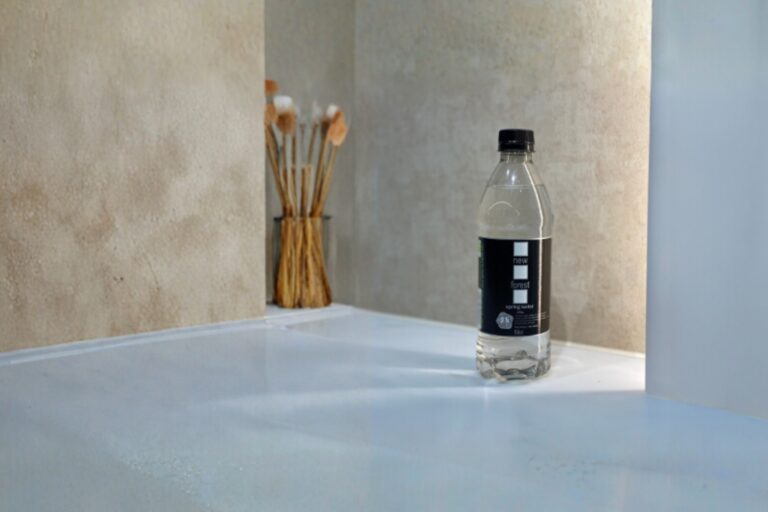
New Forest Spring Water is sourced locally from a protected underground spring in the New Forest. It provides a natural source of electrolytes including calcium and magnesium which contribute to normal muscle function as part of a varied diet.
Unlike many commercial sports drinks spring water contains no added sugar, no artificial colouring and no preservatives. It provides hydration without additional calorie load.
For athletes focused on body composition, metabolic health or clean nutrition, this matters.
You can explore our still water and sparkling water ranges to see available formats suitable for training and recovery.
Still vs Sparkling for Athletes
A common question is whether carbonation affects hydration. Sparkling water is as hydrating as still water. The carbonation does not impair fluid absorption.
Some athletes prefer sparkling water post-exercise because it feels refreshing and encourages greater fluid intake. Others find carbonation uncomfortable during high intensity exercise when the stomach is already under stress.
For pre-workout and in-session hydration, many athletes choose still water for comfort. For recovery and general daily intake, sparkling water is a valid and equally hydrating option.
If you would like a deeper look at this topic, read our article on is sparkling water healthy.
A Practical Hydration Framework for Training
While individual needs vary, a structured approach supports consistency.
Before exercise, aim to drink approximately 500ml around 2 hours prior to training. This allows time for absorption and any excess to be excreted.
During exercise lasting longer than 45 minutes, consume around 150 to 250ml every 15 to 20 minutes. Adjust based on sweat rate, intensity and environmental temperature.
After exercise, aim to replace approximately 150% of estimated fluid loss. If you lose 1kg of body weight through sweat, drink around 1.5 litres over the following hours.
These guidelines provide a starting point. Elite athletes may require tailored electrolyte strategies based on laboratory sweat testing. Most recreational athletes do not.
The Glass Bottle Advantage for Athletes
Hydration choices are not only about what is inside the bottle but also the bottle itself.
Plastic bottles can be exposed to heat in kit bags, cars and outdoor environments. Compression and temperature changes may accelerate chemical migration from packaging materials. While food-grade plastics are regulated, many athletes prefer to minimise exposure where possible.
Glass bottles are chemically inert. They do not leach compounds and do not retain flavours. For athletes who value clean taste and material stability, glass bottled water offers reassurance.
Glass is also reusable and infinitely recyclable without loss of quality. For sports clubs, gyms and event organisers looking to reduce plastic waste, this is a practical advantage.
Hydration for Teams, Gyms and Events
Athletes rarely train alone. Clubs, fitness centres and event organisers all face the question of how best to supply hydration.
New Forest Spring Water offers bulk spring water delivery suitable for sports clubs and organised events. Local sourcing within the New Forest region shortens the supply chain and reduces transport distance compared with imported brands.
For individual athletes and households, a flexible water subscription ensures consistent supply without repeated supermarket purchases. Higher daily water consumption makes athletes natural candidates for structured delivery.
The Evidence in Context
Do athletes need electrolytes in their water? Sometimes. Do they need sugar in every training session? Usually not.
The evidence shows that for most exercise under 60 to 90 minutes plain water is sufficient. Sports drinks remain valuable for prolonged endurance events and heavy sweating conditions.
Spring water for athletes offers a clean hydration base with naturally occurring minerals and no added sugar. It supports muscle function and fluid balance without unnecessary additives.
For those training consistently, the goal is not simply to drink more but to drink appropriately. Choosing a locally sourced spring water in glass aligns hydration, performance and environmental responsibility in one decision.
Explore the full range of New Forest Spring Water and consider how a regular supply can support your training routine throughout the year.