World Water Day is often framed around access to clean drinking water, but the conversation needs to start further upstream. Long before water reaches a tap or bottle, it begins its journey underground. Natural springs are among the cleanest and most valuable freshwater sources we have, yet they are also some of the most vulnerable. Once a spring is damaged or depleted, recovery can take decades and in some cases it never happens at all. World Water Day is an opportunity to look beyond supply and focus on protecting natural springs at their source, because safeguarding where water begins is essential for long term water security.
What Natural Springs Really Are
Natural springs are frequently misunderstood as simple outlets of water, when in reality they are part of complex and sensitive systems.
Springs as Living Water Systems
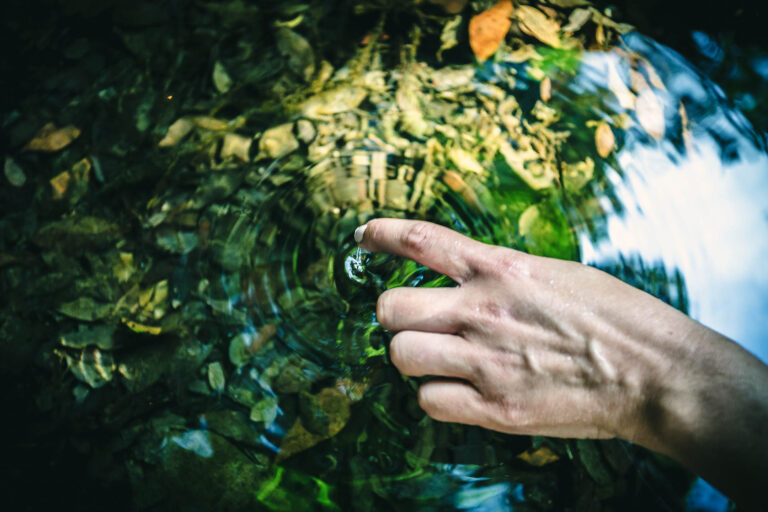
A natural spring forms when groundwater rises to the surface through layers of rock and soil, often along fractures or where geological pressure forces water upwards. This process can take many years or even decades, with rainwater slowly filtering through soil, chalk, limestone or sandstone before emerging naturally. Springs are not isolated features. They are connected to wider underground aquifers and recharge zones that depend on stable land use, intact soil structure and predictable rainfall.
Why Springs Are Naturally Clean
As water moves slowly through layers of rock, many contaminants are filtered out naturally. This long journey removes sediment, bacteria and some pollutants, which is why spring water often requires little or no treatment compared with surface water. However this natural protection is only effective if the surrounding land remains healthy. Damaging the recharge area through pollution or overdevelopment breaks down the filtering process and puts the spring at risk.
Why Natural Springs Are Under Threat
Across the UK and globally, natural springs are under growing pressure from multiple directions. These threats often work together, accelerating damage faster than springs can recover.
Over Extraction
Groundwater is heavily relied upon for bottling, agriculture and industrial use. When extraction exceeds the natural recharge rate, underground pressure drops and spring flow weakens. In severe cases, springs dry up entirely. Unlike rivers, springs cannot simply refill once demand reduces. Loss of pressure can permanently alter underground pathways, meaning some springs never return even after extraction stops.
Pollution at Source
Pollution poses a serious risk to freshwater sources that lie underground. Agricultural fertilisers, pesticides, road runoff and construction materials can seep slowly into soil and bedrock. Once pollutants enter groundwater, they spread quietly and are extremely difficult to remove. Unlike often-visible surface pollution, underground contamination may go unnoticed for years until a spring becomes unsafe or unusable.
Climate Pressure
Climate change is disrupting the delicate balance that springs rely on. Longer dry spells reduce groundwater recharge, while sudden heavy rainfall increases runoff rather than allowing water to soak into the ground. Springs depend on consistency. When recharge patterns become erratic, spring flows weaken and water quality can suffer.
Why Protecting Springs Matters
Protecting natural springs is not only about preserving water for drinking. It has wider environmental, social and economic importance.
Drinking Water Security
Natural springs provide reliable local drinking water that often requires minimal treatment. This reduces reliance on energy intensive purification processes and complex infrastructure. By protecting springs, communities strengthen their resilience against water shortages and supply disruptions. In an era where sustainable water management is increasingly important, safeguarding low impact freshwater sources is a practical and responsible choice.
Biodiversity and Ecosystems
Many ecosystems depend on springs and spring fed streams. These habitats support unique plants, insects, amphibians and microorganisms that cannot survive elsewhere. When a spring dries up or becomes polluted, these micro ecosystems collapse quickly.
Cultural and Local Value
Across the UK, springs often predate towns and villages. They have shaped settlement patterns, farming practices and local traditions for centuries. Many place names, landmarks and community histories are tied to natural springs.
What Protection Actually Means
Protecting natural springs requires practical action, long term planning and shared responsibility.
Safeguarding Recharge Areas
The land above and around springs is just as important as the spring itself. Recharge areas allow rainwater to soak slowly into the ground and replenish underground reserves. Soil sealing, deforestation and heavy development prevent this natural filtration. Protecting open land, maintaining vegetation and limiting harmful development are essential steps in protecting natural springs.
Responsible Water Use
Extraction from springs and aquifers must align with natural recharge rates. Sustainable water management means recognising limits and respecting them. Short term gains from over extraction lead to long term losses that affect communities, ecosystems and future generations.
Monitoring and Transparency
Regular monitoring of water quality and flow rates helps identify problems early. Open reporting builds trust and accountability, ensuring that springs are managed responsibly. Once a spring becomes polluted, remediation is extremely difficult.
The Role of Consumers and Businesses
While regulation plays a role, everyday choices also influence the future of freshwater sources.
Choosing Water Consciously
Consumer demand shapes industry behaviour. Supporting businesses that prioritise spring water conservation and responsible sourcing encourages higher protection standards. Conscious choices send a clear message that protecting natural springs matters.
Reducing Waste
Every litre of water wasted increases pressure on underground reserves. Simple actions such as fixing leaks and using water efficiently make a real difference. Reducing waste is one of the most direct ways individuals and businesses can support sustainable water management.
Why World Water Day Matters Now
World Water Day is increasingly urgent as pressures on freshwater sources accelerate.
A Narrowing Window
Population growth, climate change and land use intensification are happening faster than natural systems can adapt. Springs that have flowed reliably for centuries are failing within decades. Without immediate action, many freshwater sources face irreversible damage.
Protection Before Replacement
Technology can treat water, but it cannot recreate natural springs. Once a spring is gone, it is gone for good. Investing in protection now is far more effective than attempting to replace lost freshwater sources later.
Protect the Source Not Just the Supply
World Water Day highlights a simple but often overlooked truth. Clean water does not begin at a tap or in a bottle, it begins underground. Protecting natural springs protects ecosystems, communities and long term water security. Supporting spring water conservation, safeguarding freshwater sources and committing to sustainable water management are essential steps toward a resilient future.