Spring water is one of the purest forms of hydration available, naturally filtered through layers of earth before emerging at the surface. Revered for its clarity, clean taste and natural mineral content, spring water in the UK is sourced from protected environments where nature itself does the filtering. But not all spring water is created equal, as the origin of the spring determines its composition and quality. The geology, climate and natural surroundings of a spring determine the mineral profile and taste of the water. This is why understanding where your spring water comes from matters. It not only connects you to the environment that produced it but also informs your choice of water based on health, sustainability and taste preferences.
What is Spring Water?
Spring water is defined as water that flows naturally to the surface from an underground source, filtered through layers of rock and soil that remove impurities and enrich it with minerals. Unlike tap water, which is often chemically treated and processed, spring water remains untouched until collected, maintaining its natural characteristics. It is not required to undergo chemical treatment, although it must meet strict standards for microbiological safety and clarity.
What sets spring water apart from other types like mineral or purified water is its balance of natural minerals. Mineral water, for instance, must contain a fixed quantity of minerals and usually comes from a specific geological source. Purified water, meanwhile, has been treated to remove all substances, including beneficial minerals. Spring water offers a middle ground. It is clean, fresh and naturally rich in minerals like calcium and magnesium, which support bone health and electrolyte balance.
Bottled spring water is often favoured for its taste and purity, especially when delivered in environmentally friendly formats such as glass bottle water delivery. This not only preserves the quality but also supports sustainable practices.
How Spring Water Forms

The journey of spring water begins with rain. Rainwater seeps into the ground, passing slowly through soil and layers of rock, undergoing a natural filtration process that can take many years. As it moves through these geological layers, impurities are removed and the water is enriched with naturally occurring minerals. This slow process is crucial for developing the unique taste and composition of spring water.
Eventually, this filtered spring water collects in underground reservoirs known as aquifers. When pressure builds or geological conditions allow, the water rises to the surface through natural outlets called springs. These springs are often found in rural or mountainous areas where the surrounding environment is well-preserved and free from any industrial contamination.
The quality of spring water is often determined by the type of rock and soil it filters through. For instance, limestone adds calcium carbonate, enhancing alkalinity and smoothness, while granite may contribute fewer minerals but offer exceptional clarity. This geological diversity across the UK results in a variety of spring water profiles, each unique to its origin. The consistency and quality of this natural process are what make spring water a recognised source of pure hydration.
Major Spring Water Sources in the UK
The UK is home to numerous natural springs, each contributing to the country’s supply of spring water with distinct characteristics. In England, some of the most well-known sources include the Malvern Hills in Worcestershire, where water has been collected since the 17th century. Malvern spring water is known for its low mineral content and crisp taste. Buxton, in Derbyshire, sources water from the Peak District and is rich in minerals due to its journey through limestone.

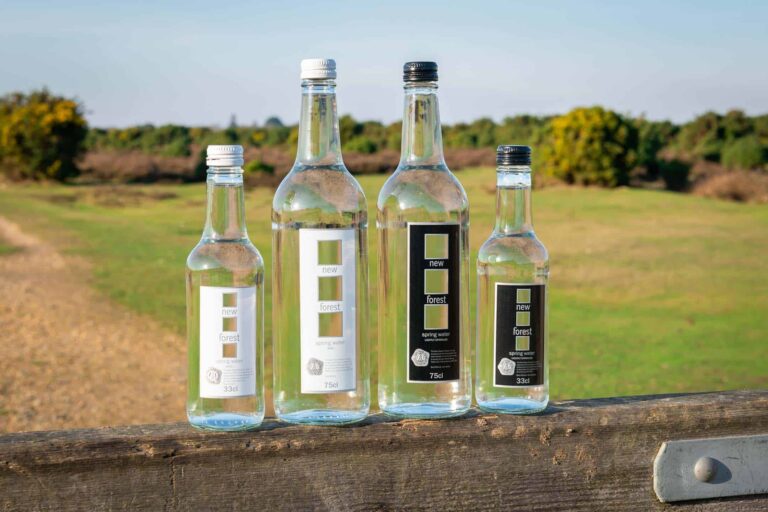
Harrogate, in North Yorkshire, boasts some of the oldest and most famous spa waters in the country. These springs offer water with a high mineral content, including iron and sulphur, which were historically believed to have therapeutic benefits. Meanwhile, the New Forest region in Hampshire is gaining recognition for its natural spring water, with a true focus on sustainability and woodland preservation.
Scotland also contributes significantly to the UK’s spring water landscape. Deeside Water in Aberdeenshire is filtered through ancient rock formations, resulting in water that is both pure and low in minerals. The Highland springs, with their mountainous origins and clean catchment areas, produce water celebrated for its clarity and taste.
In Wales, the Brecon Beacons and Snowdonia National Parks are home to pristine water sources, thanks to their remote locations and protected environments. These regions produce spring water with balanced mineral profiles and are among the most eco-conscious in their bottling practices.
Northern Ireland offers its own contributions with springs in County Antrim and the Mourne Mountains. These springs provide naturally filtered water enriched by the surrounding granite and basalt rock formations, offering a crisp and refreshing taste.
How Spring Water Reaches Consumers
Once sourced, spring water must be collected and transported with care to maintain its purity. Sustainable extraction methods ensure that the aquifer is not depleted and that the natural environment remains undisturbed. Many water producers use gravity-fed systems or minimally invasive pumps to collect the water directly from the spring, reducing the need for excessive infrastructure.
To preserve its natural characteristics, spring water is also bottled at the source. This method prevents contamination and maintains the unique mineral profile developed during its underground journey. Facilities are often located within close proximity to the spring, ensuring that the water only travels a short distance before it is sealed in bottles.
Quality and safety are ensured through strict regulations, including regular testing for microbial content and chemical balance. The Food Standards Agency and Drinking Water Inspectorate enforce these standards in the UK. Water in glass bottles is becoming increasingly popular as a way to reduce plastic waste and maintain the water’s taste and quality. Many brands now offer home and business delivery services, making it easier for consumers to enjoy premium spring water in a sustainable way.
Spring water in the UK originates from some of the most naturally protected and geologically rich landscapes across the country. From the granite slopes of the Scottish Highlands to the chalk aquifers of the South East, each source contributes unique minerals and purity to the water it produces. Natural filtration through rock formations, coupled with strict regulations and sustainable practices, ensures that spring water reaches consumers in its purest form.
Whether you’re enjoying quality spring water from New Forest Water or sampling water from renowned springs in Wales or Northern Ireland, each bottle reflects the land it flows from. Choosing spring water means choosing nature’s own process of purification, offering a connection to the landscapes that make this water so special.